

The Collapse of The Working Class
Studying the wrong economic collapse

By the early 16th century, European economists understood the importance of the merchant class in generating wealth. The most famous and powerful mercantilist corporations were Britain’s East India Company and the Dutch East India Company. For more than 250 years, the British East India Company maintained the exclusive, royally granted right to conduct trade between Britain, India, and China. Infact, the Dutch East India Company was the instrumental in creating the world’s first stock exchange.
When retail shops spread across Victorian England, expanding from 300 locations in 1875 to about 2,600 by 1890, economists regarded it as a sign of continued growth and wealth creation. This resulted in the creation of an entirely new social class not anticipated by the then the feudal and early mercantilism orders. The class included shopkeepers, bank clerks, insurance agents, and the emerging cohort of professionals who were wealthier than the lower class consisting of peasants or merchants. The middle class class soon represented a structural transformation in how economic systems organized human labor and distributed prosperity. The bourgeoisie, as historians note, was effectively created by the Industrial Revolution, with its political influence and material wealth accumulating steadily from the late eighteenth century through World War I. Understanding this origin is important from a contemporary economic analysis point of view today, because working and middle classes are most impacted by the impending economic crisis, slowly eroding away the purchasing power across developed and developing economies.
Exhibit•Historic Images(10 items)▼

[1/10]Victorian Department Store in the 1800s
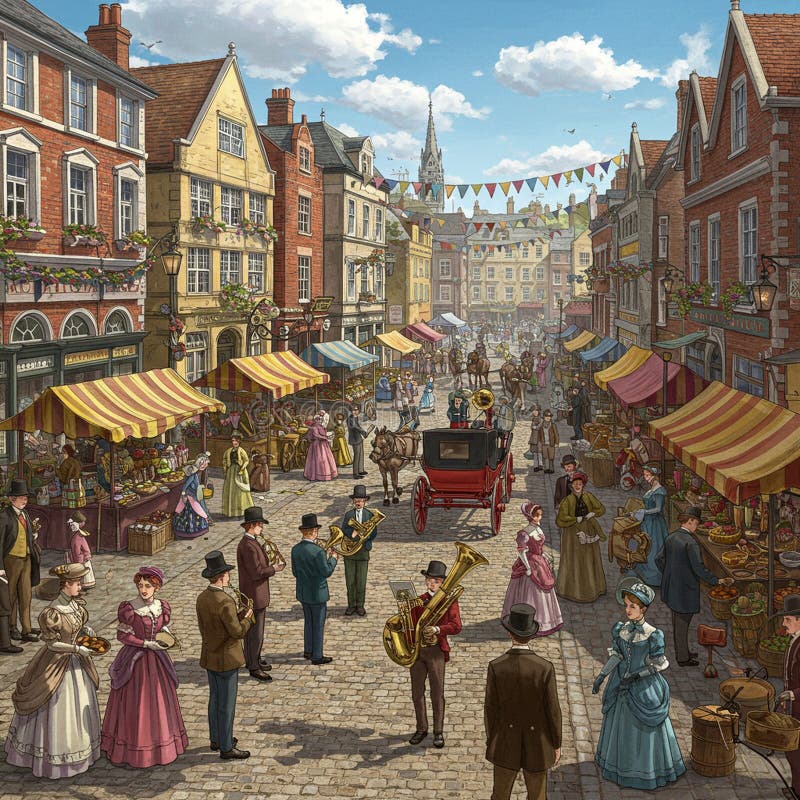
[2/10]AI-Generated Image - Middle Ages Markets

[3/10]The Perfumery Salon at Harrods department store, London, England, 1903

[4/10]Shropshire Shop Fronts of the 1880s
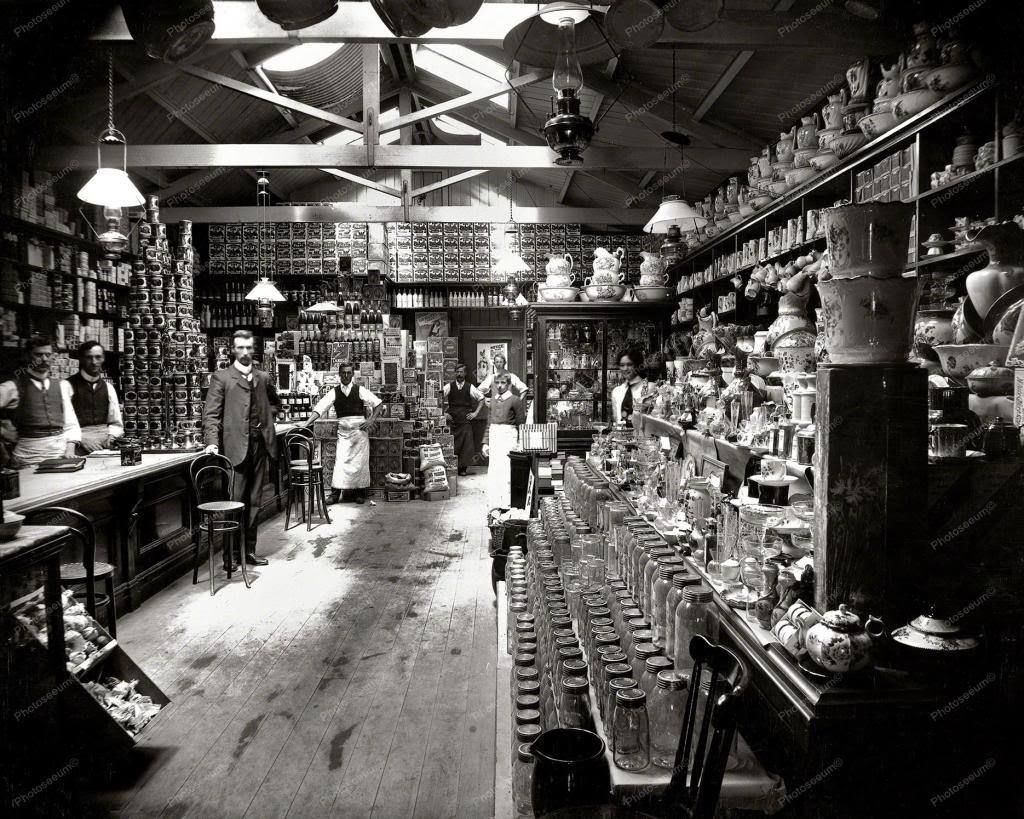
[5/10]1890s Grocery and General Store

[6/10]H. Hillier Cook and Confectioner in Shrewsbury, Shropshire, England, 1888
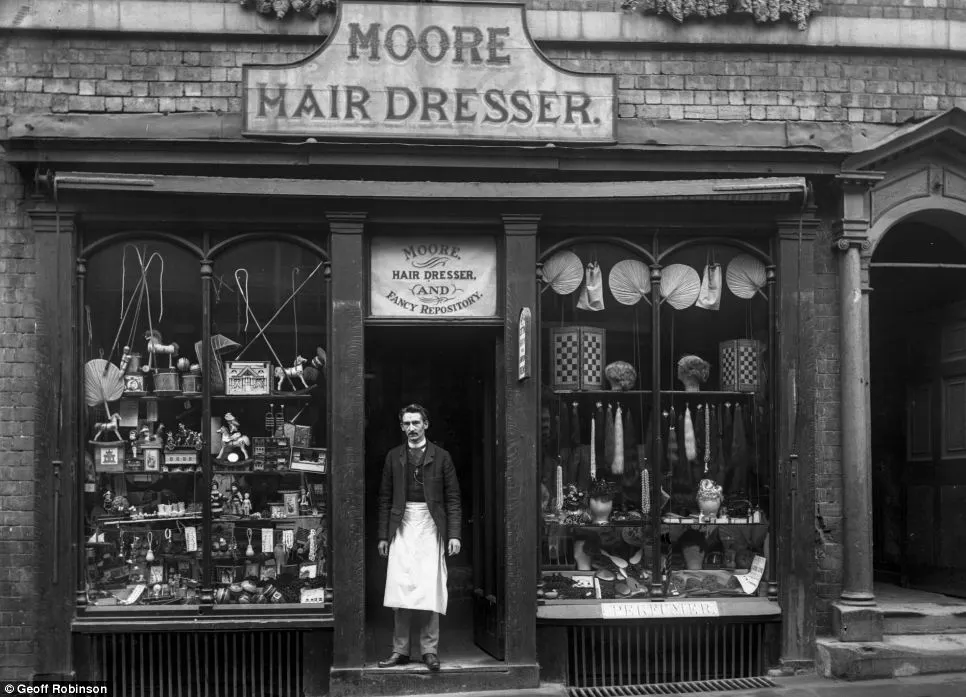
[7/10]Captured in 1888 by Joseph Lewis Della Porta
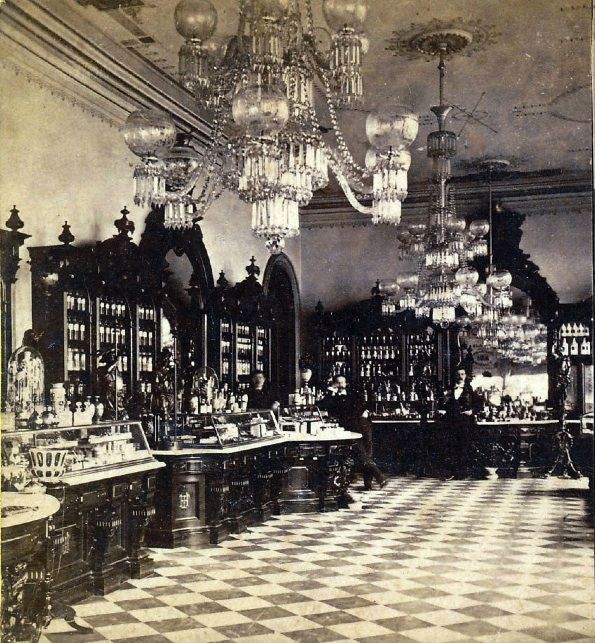
[8/10]Helmbold's Drug Store, New York, 1880
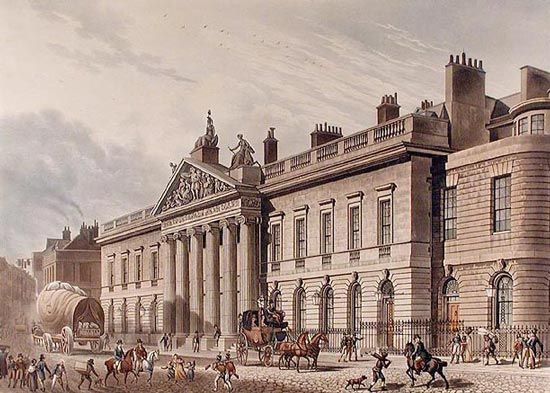
[9/10]19th-century British East India Company drawn by Thomas Hosmer Shepherd in 1817
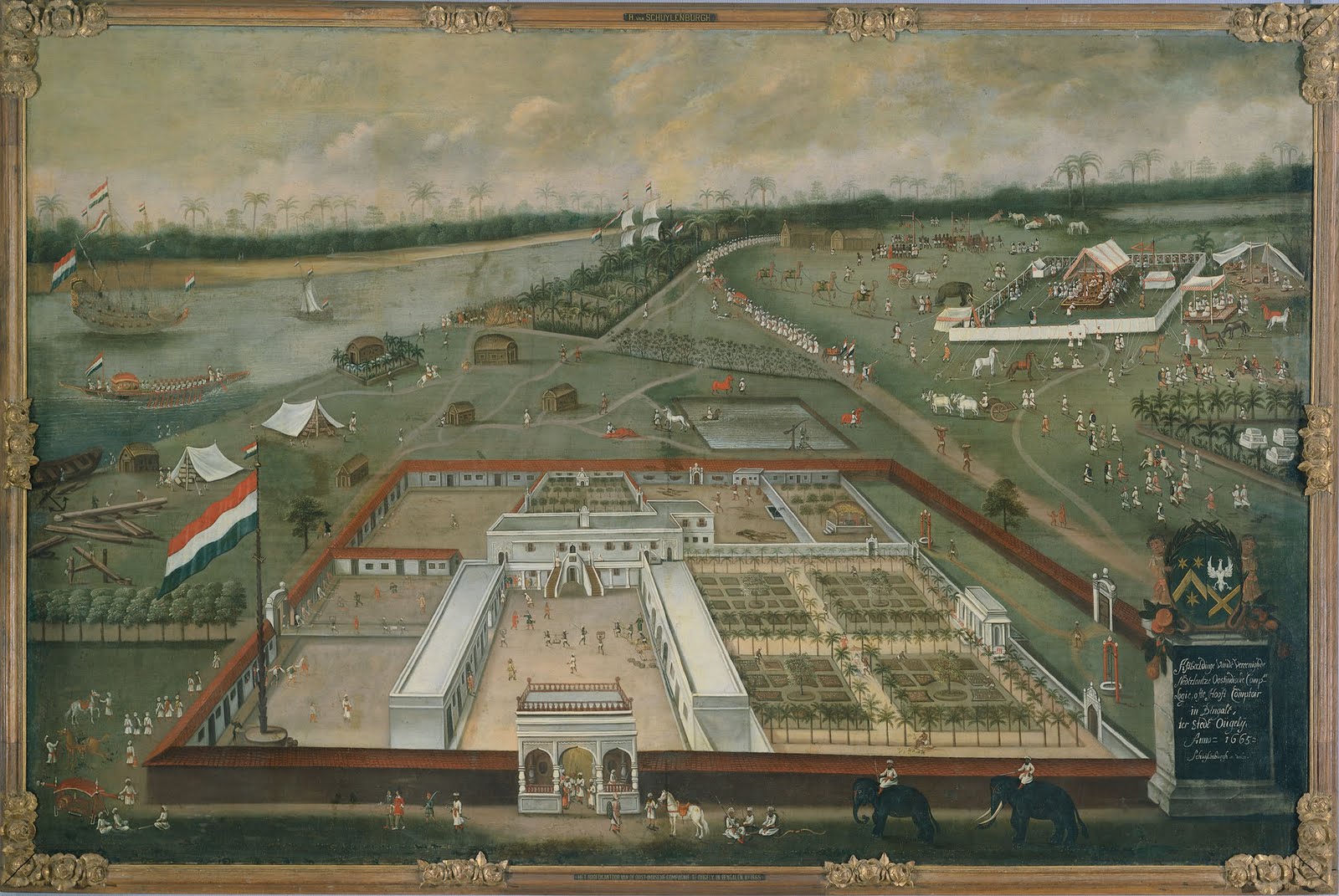
[10/10]The Trading Post of the Dutch East India Company in Hooghly, Bengal (1665) by the Dutch painter Hendrik van Schuylenburgh
Never about the Middle Class Collapse
The dominant narrative for the past fifteen years has centered on how the middle class is squeezed and this has captured headlines from Washington to Brussels and shaped policy responses across the developed world. Economists, journalists, and political pundits have constructed a compelling argument that university-educated professionals from managers, doctors, lawyers, engineers and white-collar workers, today, face an unprecedented pressure from automation, globalization, and stagnating incomes. Francis Fukuyama famously asked whether liberal democracy could survive the decline of the middle class, while countless studies documented the contraction of the middle class across Europe between 2004 and 2014, with 18 of 26 nations experiencing measurable shrinkage accompanied by rising income polarization. This research appeared authoritative, i.e., it was peer-reviewed, relied on comprehensive datasets and seemed to explain rising populism and political fragmentation. Yet a closer examination of occupational class structures and longitudinal income data reveals that this diagnosis has been fundamentally mistaken in its identification of which group has suffered most severely.
The class structure that the Industrial Revolution created was never monolithic. Scholars have long distinguished between the upper middle class and lower middle class, between professionals and white-collar workers, between college-educated managers and skilled tradespeople, yet contemporary analyses often collapse all of these categories into a single “middle class” identity defined primarily by income thresholds. When researchers define the middle class as households earning between 75 and 125 percent of median disposable income, they inadvertently group college-educated professionals with production workers, clerical staff and skilled tradespeople whose employment trajectories have diverged dramatically over the past four decades. And this has created a statistical phantom, a “middle class” that appears to decline when the reality is far more complex and considerably more troubling for those at the lower end of that spectrum.
The evidence for working-class and middle-class contraction in developed nations is substantial and consistent. The OECD reported that the share of the middle class across member nations declined by roughly one percentage point per decade, while labor market data spanning from 1973 onward showed stagnating real wage growth for workers without college degrees, followed by accelerating divergence as inflation-adjusted earnings for mid-skill workers failed to keep pace with productivity growth. The manufacturing sectors that once employed vast numbers of middle-income workers, such as factory operators, supervisors, and skilled technicians, contracted substantially as automation and offshoring to lower-wage economies eliminated or transformed these positions throughout the 1970s, 1980s, and beyond. Yet when one shifts the analytical lens from income distribution to occupational class structures, a strikingly different picture emerges, one that demands a fundamental reorientation of how policymakers understand economic distress in developed nations.
The Collapse of The Working Class
Recent research using comprehensive micro-data from the Luxembourg Income Study, which combines household surveys across multiple nations including the Current Population Survey for the United States and the Socio-Economic Panel for Germany, demonstrates that middle-class employment actually expanded over the past forty years rather than contracted. Examining France, Germany, Poland, Spain, the United Kingdom, and the United States from 1980 through 2020, researchers found that employment of the middle class and upper-middle class swelled by 10 to 20 percentage points while the working class shrank substantially in every nation studied. More critically, the disposable real incomes of middle-class households grew consistently over four decades, rising at rates exceeding 1 percent annually in most nations, whereas working-class incomes grew at less than half a percent per year in France, Germany, and the United States. The promise that each generation would exceed its parents’ prosperity held for the college-educated professional classes but evaporated entirely for working-class households, a structural break in economic mobility that represents the genuine crisis of developed economies rather than middle-class anxiety.
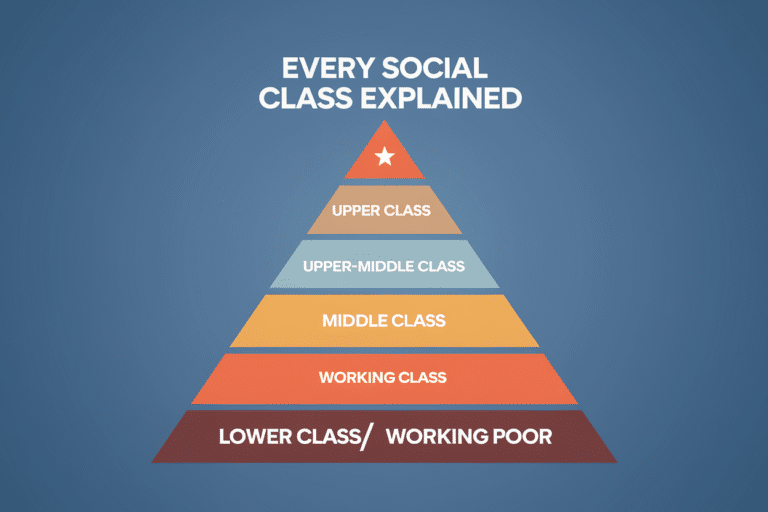
Class Hierarchy in Society
This re-framing becomes even more apparent when considering how globalization and technological change have affected different occupational groups. The professionals who have an influential say in political discourse and media commentary have benefited from both trends; the rapid globalization of financial services, consulting, and knowledge work has created unprecedented opportunities and compensation structures for those with advanced education and specialized skills. Conversely, the manufacturing sectors and routine administrative occupations that once provided stable middle-income employment to workers with high school or associate degrees have experienced systematic contraction, with the share of middle-skill jobs falling by approximately 9.5 percentage points over the two decades since the mid-1990s. Mixing the college-educated “middle class” and the skilled-trade and production “working class” into a single income category has permitted an empirically misleading interpretation of recent history.
The global dimension further complicates but ultimately reinforces this analysis. While developed economies have experienced middle-class stagnation and working-class collapse, the emerging markets of Asia have witnessed something approaching a revolution in living standards and economic opportunity. The middle class in emerging markets has expanded explosively, with 88 percent of new entrants into the global middle class projected to be Asian, and middle-class spending in these regions has grown at 12.5 percent annually between 2005 and 2015, compared to projected growth of merely 0.5 to 1 percent per year in advanced economies. This means that globally, the Victorian pattern is repeating itself, with new classes rising to occupy the structural positions that industrial and post-industrial economies require, and simultaneously, the working and middle classes of earlier-industrializing nations have faced unprecedented pressure. The historical parallel is neither comforting nor accidental; it reflects the same dynamics that have always characterized capitalist transformation: displacement, reorganization, and concentration of advantage among those positioned to benefit from change.
Exhibit•Infographic - Collapse of the Classes(6 items)▼
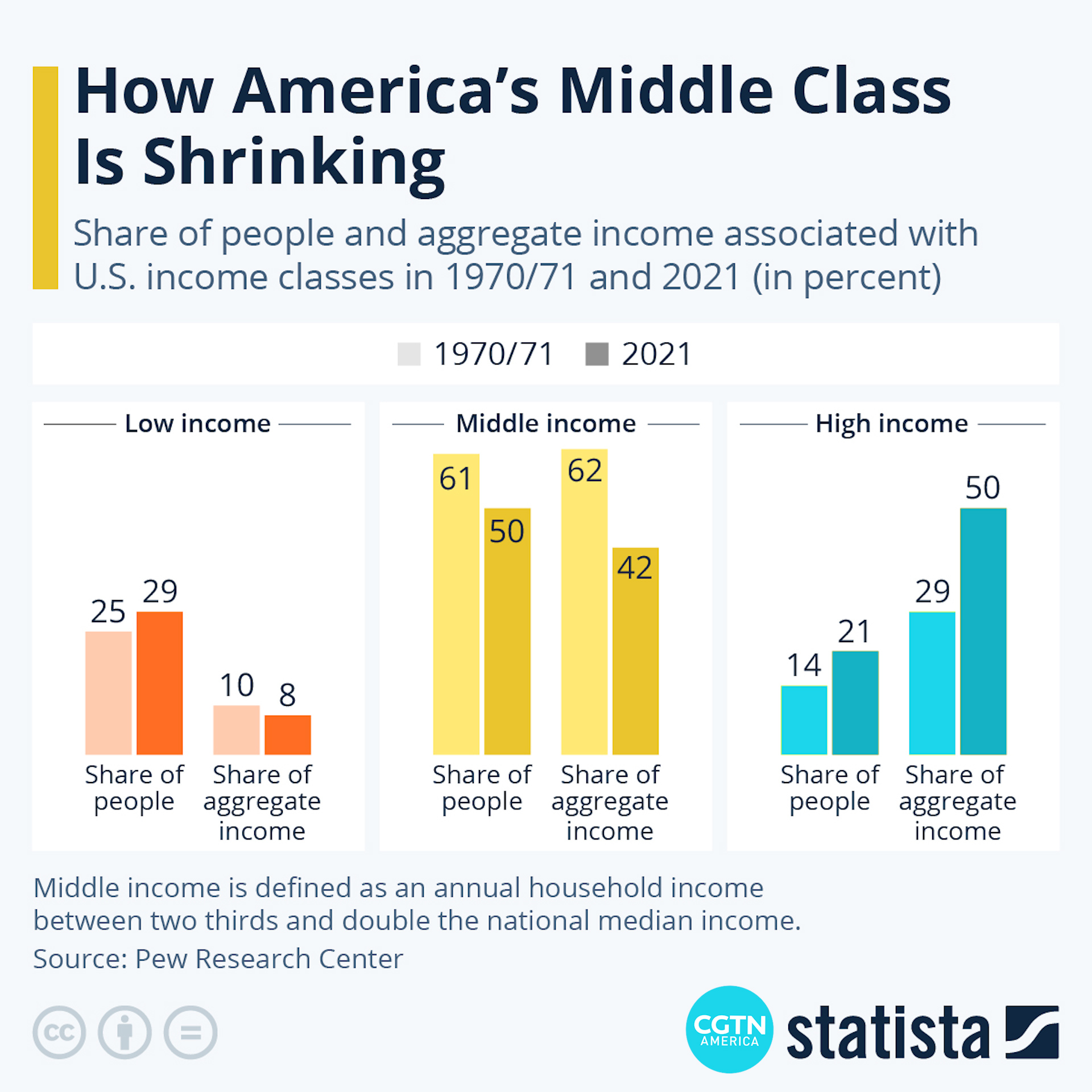
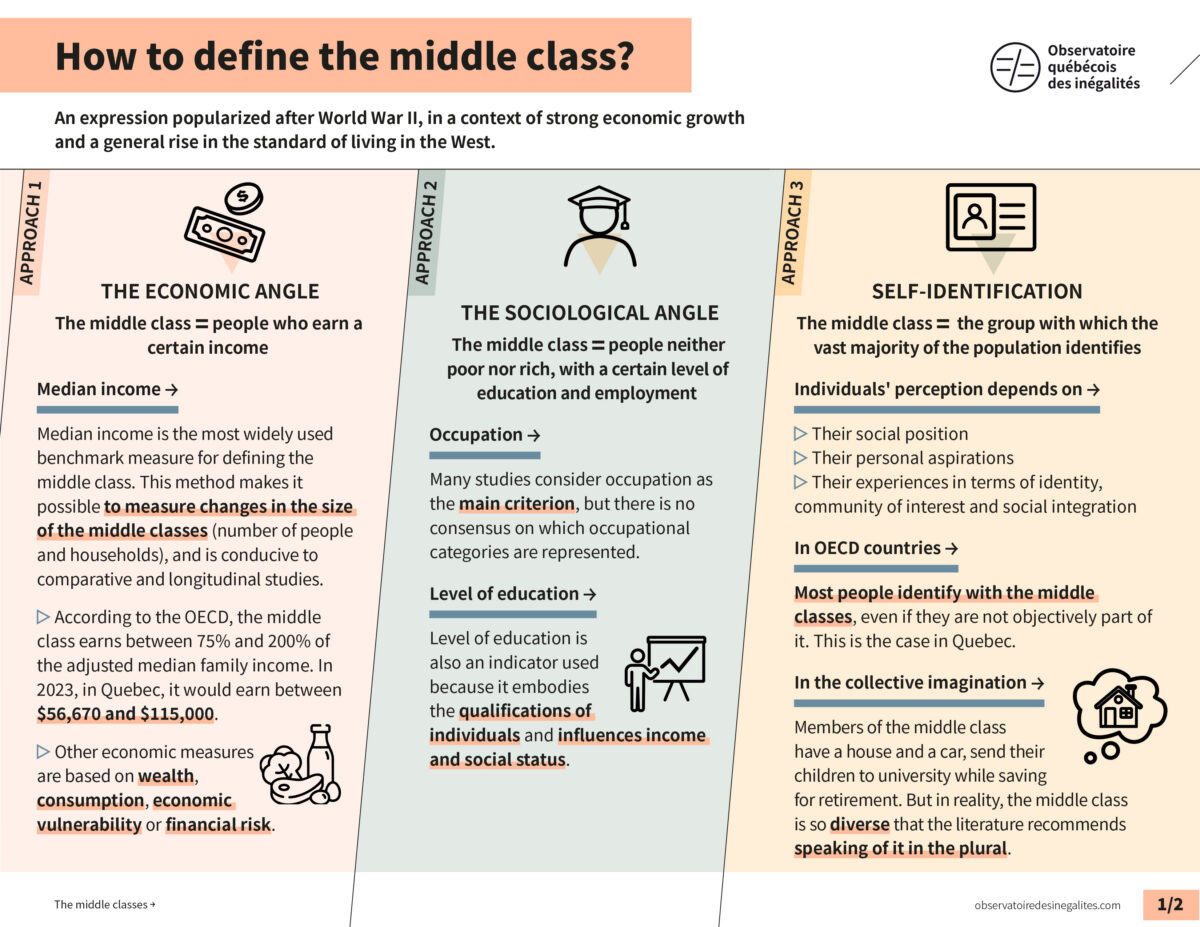
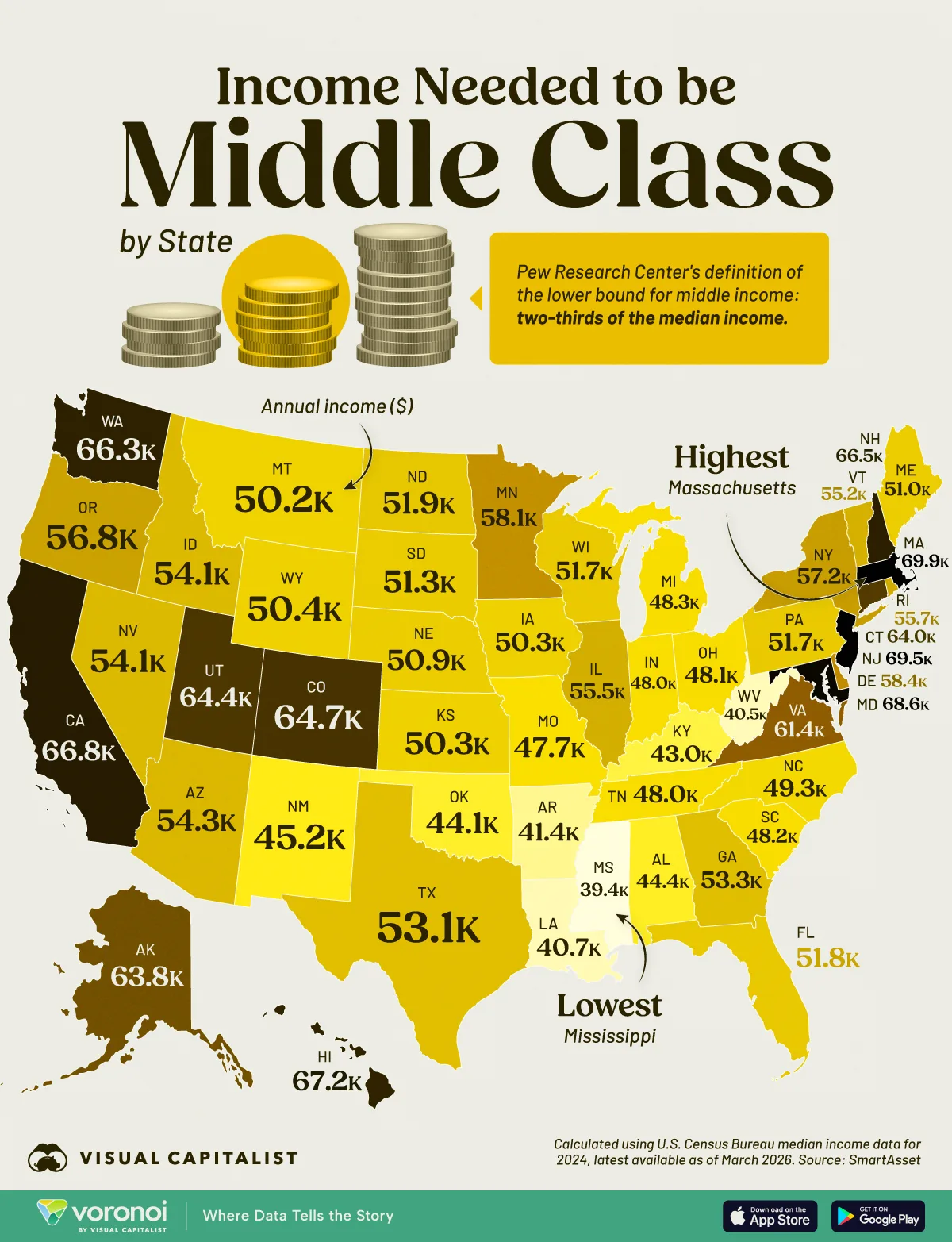
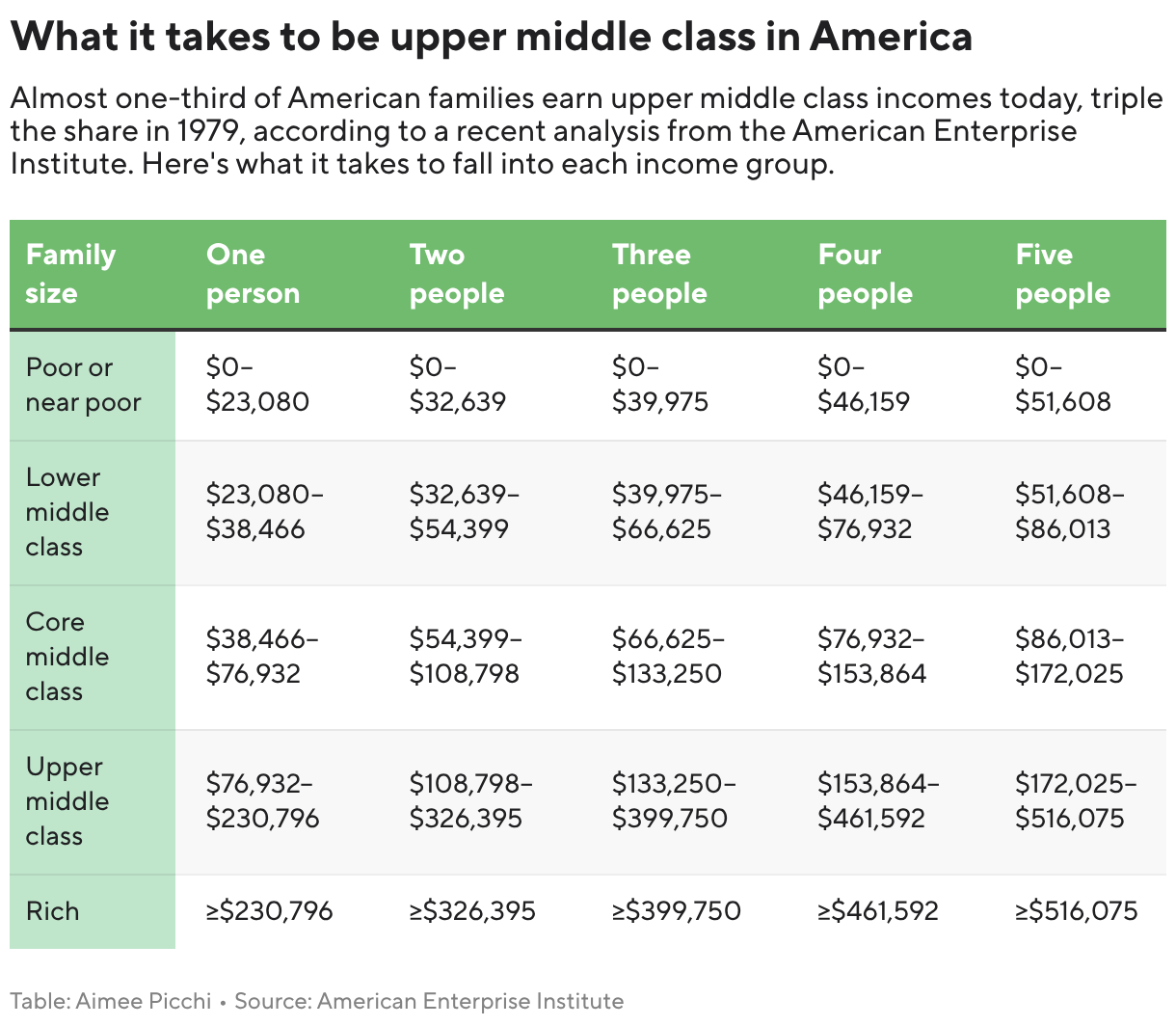
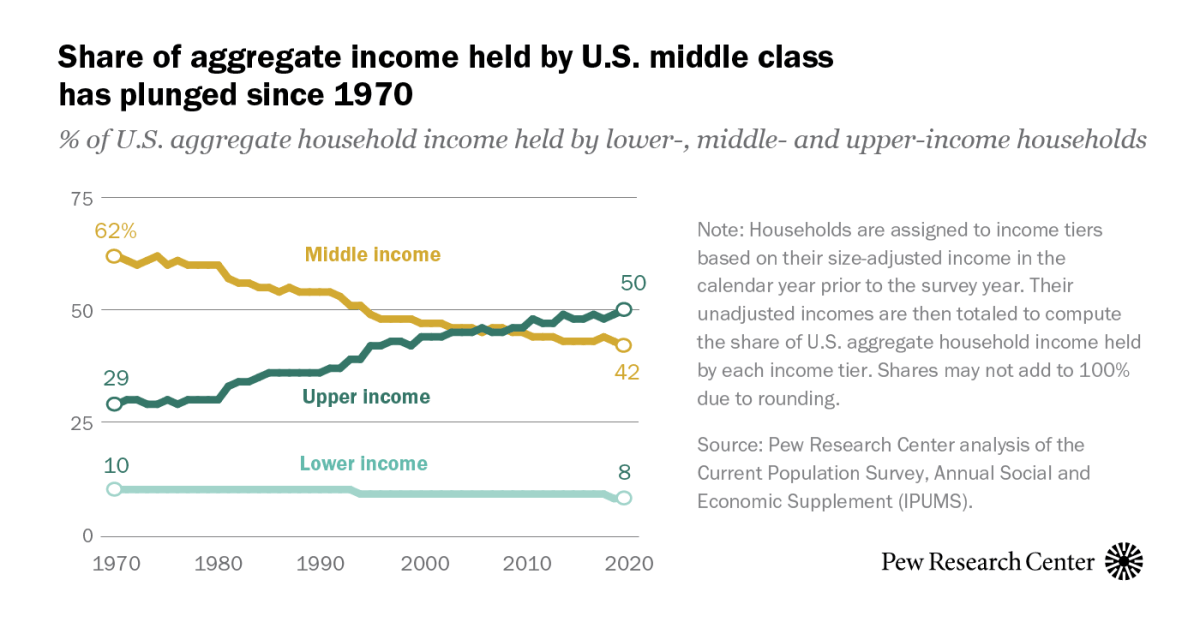
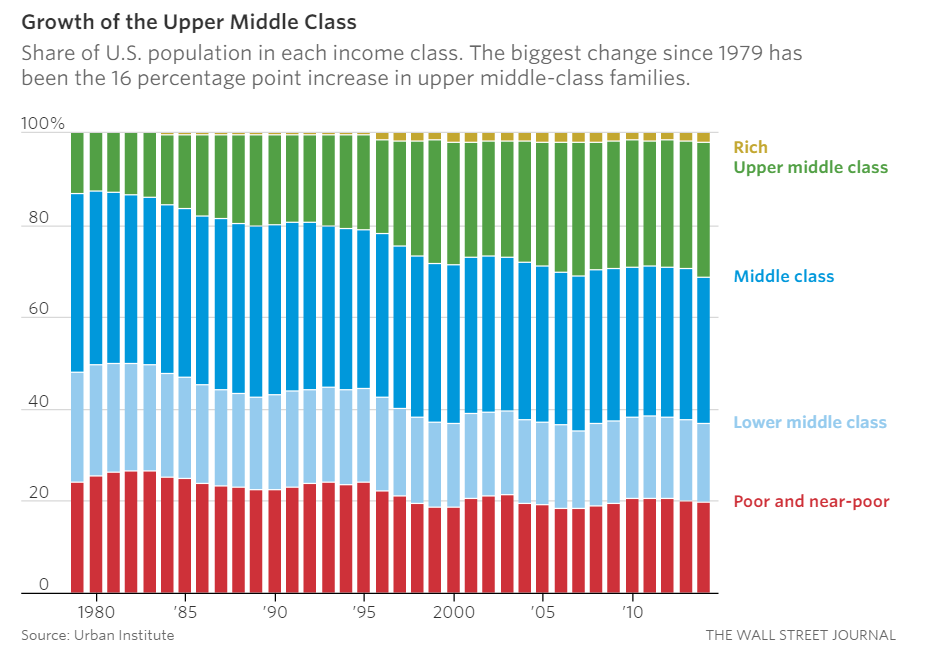
What distinguishes this moment from earlier industrial transitions is neither the novelty of technological disruption nor the inevitability of class restructuring, but rather the political and policy choices that nations have made in response. The conflation of middle-class professionals with working-class production workers into a single “squeezed” category has permitted political leaders to propose solutions that benefit the former while ignoring the latter. Tax policies, education funding, and labor market regulations have increasingly favored college-educated workers and white collar professionals, reflecting the assumption that the problem is middle-class anxiety rather than working-class collapse. The Victorian bourgeoisie that emerged from industrial transformation did not hide their advantages behind claims of shared struggle with the clerical workers below them; they were explicit about the structures that protected their interests. The contemporary conflation obscures these dynamics beneath apparently neutral income statistics and disguises what amounts to a significant redistribution of economic risk and opportunity toward the educated and away from those whose labor is most vulnerable to automation and outsourcing.
Instability, Time, and The Reckoning
The historical trajectory from feudal peasants through Renaissance merchants to Victorian professionals to contemporary knowledge workers reveals that the middle class, understood as occupational professionals with advanced education and cultural capital, has not been squeezed so much as it has been substantially reorganized and, in many instances, expanded in both numbers and global reach. The genuine economic crisis of developed nations concerns the collapse of working-class employment and incomes, a phenomenon that affects not merely the wages and job security of production workers and routine administrators but also the social cohesion and political stability that depend on broad-based prosperity. Until policymakers and analysts recognize that the working class and the occupational middle class are not synonymous, that the crisis is one of working-class displacement rather than middle-class strain, and that the political challenge of developed economies is to manage the consequences of technological and global transformation for precisely those workers least able to adapt through additional education or geographic mobility, the policy responses will continue to address the anxieties of the already-advantaged while ignoring the genuine distress of those whom industrial transformation has left behind.
The collapse of working-class employment and incomes in developed economies is not merely a statistical curiosity or a problem for policymakers to address through marginal adjustments to education policy or tax credits. It represents a fundamental instability in the political and social contract that has sustained democratic capitalism for nearly a century. When broad-based prosperity narrows to exclude the majority of workers from meaningful income growth, when each generation fails to exceed the material position of its parents, and when policy responses systematically serve the anxieties of the already-educated while ignoring the distress of those displaced by economic transformation, the conditions for systemic rupture accumulate beneath the surface of apparent stability. History demonstrates repeatedly that such imbalances do not persist indefinitely; they resolve through some combination of violent redistributive pressure, political realignment, or fundamental restructuring of economic institutions. The question facing developed nations is not whether adjustment will occur, but rather through what mechanism and with what consequences for democratic governance and social peace.
Yet there exists a dimension of this crisis that economic statistics alone cannot capture, one that demands examination in a different frame altogether. The working class and middle class do not experience their economic condition solely through income figures or employment status; they experience it through time. Time is the fundamental resource that economic growth depletes and redistributes, and the extraordinary expansion of working hours, the compression of leisure, and the acceleration of life rhythms that accompanied globalization and technological change have concentrated not merely income and wealth but temporal autonomy itself into the hands of the already-advantaged. A college-educated professional may command flexible hours, sabbaticals, and the luxury of choosing when and how to work, while a worker displaced into the gig economy or multiple part-time positions surrenders temporal autonomy entirely, converting what remains of their labor into an expendable commodity. The regeneration of working-class and middle-class prosperity in developed economies depends not only on reversing income decline but on restoring temporal sovereignty, and this recognition opens entirely new dimensions for understanding both the depth of the crisis and the scope of solutions required. In our next analysis, we will examine precisely how this temporal dimension has driven historic revolutions, shaped political movements, and continues to structure the most volatile fault lines in contemporary democratic societies.
This post is not AI authored. I love to research and write about topics like these, which stemmed from some event in my life. If you like what I wrote, and my style, follow for more random ramblings in the future.