

The Collapse of The Working Class - Part 2
Working-Class Economic Disruption and Systemic Rupture

When Basic Needs Collapse
Working-Class Economic Disruption and Systemic Rupture
In my previous analysis of the working-class squeeze across developed economies, I believed that the dominant narrative of a squeezed middle class obscures the reality that over the past forty years, the genuine economic crisis has been the systematic collapse of working-class employment and incomes, not the stagnation of educated professionals. I think it is essential to build upon that foundation now by examining what occurs when this working-class collapse reaches critical thresholds and when institutional responses prove inadequate or absent, because it is at these inflection points that economic distress transforms into systemic rupture. I am of the opinion that understanding the mechanisms through which working-class collapse produces revolution, political realignment, or institutional restructuring, requires examining the economic data and the psychological and institutional dynamics that determine how societies respond when the basic needs of vast populations can no longer be reliably met. The difference between societies that reform and those that fracture violently lies not in the severity of economic collapse but in whether institutions remain open to working-class demands or whether they remain deliberately closed, and this is where Maslow’s framework becomes instructive for understanding what happens next.
Maslow’s Hierarchy
The human hierarchy of needs, as conceptualized by psychologist Abraham Maslow, describes a foundational structure in which individuals progress through stages of motivation beginning with physiological survival needs such as food, shelter, and safety, then advancing through belonging and esteem to self-actualization only after lower tiers have been satisfied. This framework, though developed in mid-twentieth-century psychology, illuminates something I believe economists and policymakers have systematically overlooked: when broad-based prosperity collapses and working-class households can no longer reliably meet basic subsistence and safety requirements, the psychological and social contract fractures in ways that historical data reveals with striking regularity. I have observed across two centuries of economic history that this fracture emerges not as a gradual social drift but as a rupture that resolves through one of three distinct pathways, namely violent redistribution, political realignment that destabilizes democratic institutions, or institutional restructuring that preserves systems by fundamentally reordering them. I am of the opinion that understanding which pathway emerges depends not on economic conditions alone but on the presence or absence of institutional mechanisms through which working populations can extract concessions from capital and state authority before desperation produces violence.
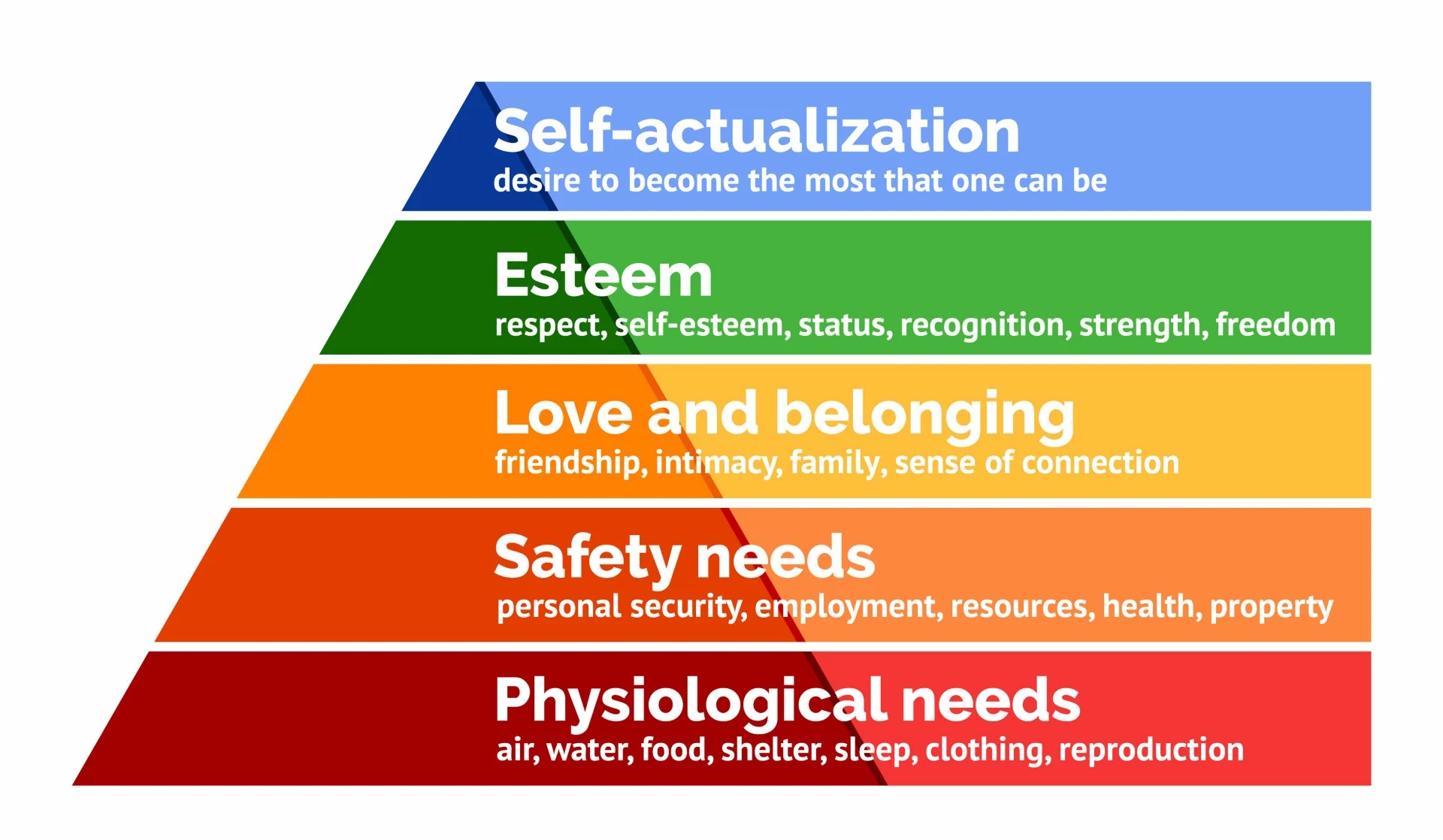
Maslow’s Hierarchy of Needs
I think it is essential to consider what occurs when Maslow’s foundation crumbles, because this is where theory meets social rupture. A worker whose income covers rent and food yet provides no margin for unexpected medical expense, whose employment is perpetually uncertain, and whose children’s educational prospects depend entirely on geography and family wealth exists in a state of perpetual scarcity. I feel strongly that this worker cannot ascend to Maslow’s third tier of belonging and community because every cognitive resource is devoted to immediate survival, cannot pursue esteem through skill development or professional recognition because the cost exceeds available resources, and cannot achieve self-actualization through meaningful work or civic participation because time and energy are consumed by the daily negotiation of subsistence. I am convinced that the psychological consequence is not resignation but rather a form of urgent demand for systemic change, because the human psyche cannot indefinitely tolerate deprivation when surrounding evidence demonstrates that others possess abundance. I have come to understand that this is why institutional restructuring succeeds where repression and denial fail: it addresses not merely material deprivation but the psychological requirement for agency and voice in determining one’s condition. I believe that when basic needs collapse and institutions remain closed, the working class seeks to establish new institutions that respond to their demands, whether through revolutionary capture of state power, through electoral realignment that brings new political forces to prominence, or through negotiated restructuring that grants concessions before violence becomes inevitable.
Institutional Restructuring: When Elites Choose Reform Over Risk
I find that institutional restructuring represents the pathway most favorable to system survival, and I have come to understand that it emerges through a distinctly different set of preconditions than violent revolution or political realignment. Rather than beginning with decades of institutional closure or with the failure of existing institutions to respond, institutional restructuring typically begins with the recognition by elites that working-class pressure through strikes, organizing, and political mobilization is too powerful to suppress through force alone, and I feel that this recognition typically emerges within 3-8 years of a significant economic crisis. In 1934, the United States faced half a million striking workers and an emboldened labor movement that had tripled union membership during the Depression, and I think what prevented violent revolution was Roosevelt’s recognition that repression would be costlier than negotiation, leading him to implement the National Labor Relations Act and Fair Labor Standards Act that fundamentally restructured the relationship between capital and labor. I observed that Scandinavian countries in the 1930s followed a similar logic when social democratic parties came to power and employers conceded to labor’s organizational demands in exchange for wage restraint and labor peace, creating institutional frameworks that prevented both revolution and fascism. What I believe is crucial about institutional restructuring is that it requires three simultaneous conditions: first, labor militancy sufficiently strong that elites cannot suppress it without creating massive instability; second, political willingness among at least some faction of the governing class to accept redistribution as a price of system preservation; and third, institutional mechanisms through which such reforms can be implemented without the complete overthrow of existing property relations. I think what typically precedes institutional restructuring is therefore not years of institutional closure but rather years of growing labor power that elites eventually perceive as an existential threat to their system, combined with the political calculation that managed concession is preferable to violent confrontation or electoral collapse. I am convinced that institutional restructuring succeeds because it addresses both material demands (wage increases, working conditions, security) and psychological demands (agency, voice, participation in governance) simultaneously, and I believe this is why systems that implement such reforms survive intact whereas those that resist do not.
Political Realignment: When Democracy Remains But Institutions Fail to Respond
Political realignment represents a fundamentally different mechanism that emerges when democracies exist formally yet prove incapable of responding to working-class economic distress within the existing party and institutional structure. I observed that this pathway typically begins not with organized revolutionary activity but with voter abandonment of traditional parties, and the timeline is considerably compressed compared to violent revolution, usually unfolding within five to ten years of an economic crisis. When the 2008 financial crisis destroyed working and middle-class wealth while the top one percent captured ninety-five percent of income gains and inflation-adjusted wages stagnated until 2014, the traditional center-left and center-right parties offered no genuine redistribution, leading voters to search for alternatives outside the establishment consensus. I am of the opinion that what preceded the 2016 Trump surge and Brexit was not a long-hidden revolutionary consciousness but rather voter recognition that existing institutions were unresponsive to their economic situation, combined with the availability of democratic mechanisms (elections, referendum) through which they could express their dissatisfaction. Similarly, in Weimar Germany between 1928 and 1932, middle-class and working-class voters swung toward extremes as support for diverse political formations collapsed because traditional parties could not manage the economic crisis, and I think the critical precondition was not that democracy had failed but that democratic institutions had proven unable to deliver relief, thereby making authoritarian and populist alternatives appear as the only available options. I believe what distinguishes political realignment from violent revolution is that it operates through existing democratic mechanisms and therefore preserves the formal appearance of democratic process while fundamentally destabilizing the norms and institutions that support liberal democracy, which I think makes it particularly dangerous because it feels like normal politics when in fact it represents system failure. What typically precedes political realignment is therefore economic crisis without corresponding institutional response, combined with the availability of democratic voting or referendum mechanisms through which voters can register their rejection of existing parties, and the pattern emerges when elites believe the cost of institutional reform exceeds the cost of electoral risk, a miscalculation that has proven catastrophic repeatedly across the past century.
Violent Redistribution: When All Institutional Doors Close
I believe that violent redistribution emerges through a remarkably consistent pattern that unfolds across decades and across geographies, and I believe understanding the preconditions is essential for recognizing when we approach this threshold. The pathway typically begins not with sudden poverty but with the accumulation of extreme inequality over 40-50 years, combined with the systematic closure of all non-violent channels for reform. Russia on the eve of 1917, the wealthiest 1% held 45.9% percent of income while trade unions were entirely prohibited, preventing workers from any institutional voice in governance or wage determination. France in 1848 denied voting rights to 99% of the population while agricultural crises destroyed food security, and Latin America in the 1960s-70s rejected mobilized working-class demands by supporting military coups rather than granting institutional concessions. The pattern I identified is that violent rupture does not emerge from sudden desperation but rather from the working class’s recognition that every available institution from voting, unions, petitions, negotiation—has been deliberately closed to them, and I think this recognition typically takes 15-20 years to crystallize into organized revolutionary action. What typically precedes violent redistribution is therefore not a single dramatic crisis but rather a long period of institutional exclusion combined with growing awareness that peaceful reform is impossible, and the actual trigger (food shortage, war, currency collapse) merely ignites what has been building structurally for decades. Violent redistribution becomes likely only when elites have explicitly rejected labor’s moderate demands, when alternative pathways have been systematically demolished, and when workers have exhausted every non-violent avenue and confronted state repression, thereby creating the conviction that only force will alter the distribution of power and resources.
Exhibit•The French Revolution - 1848(3 items)▼
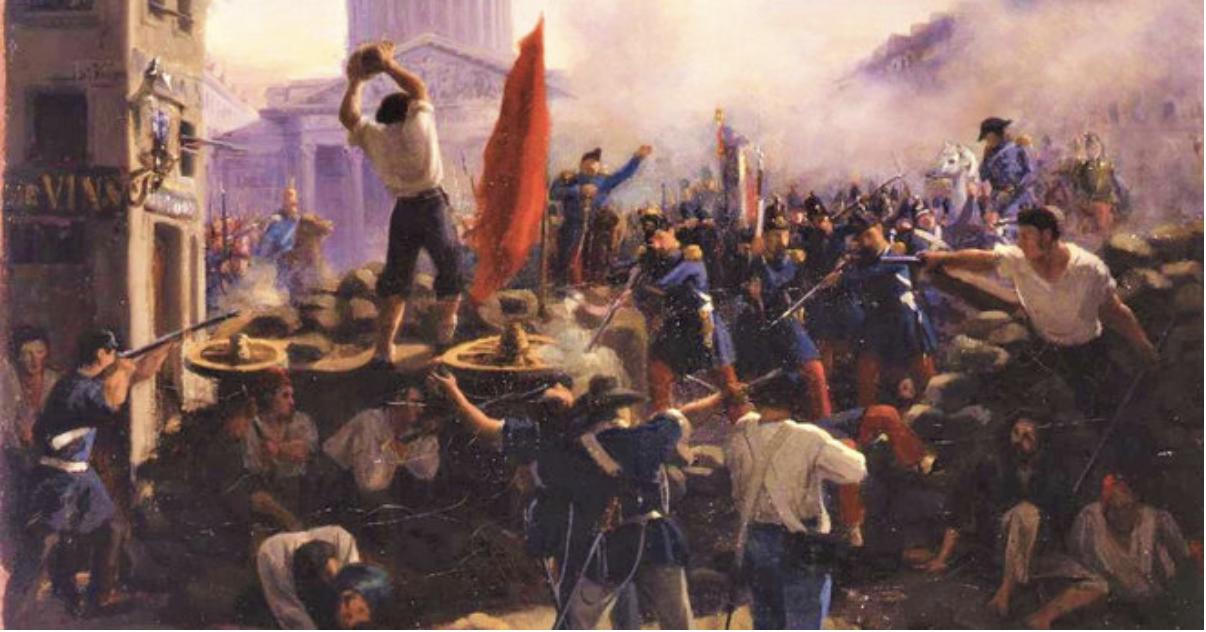
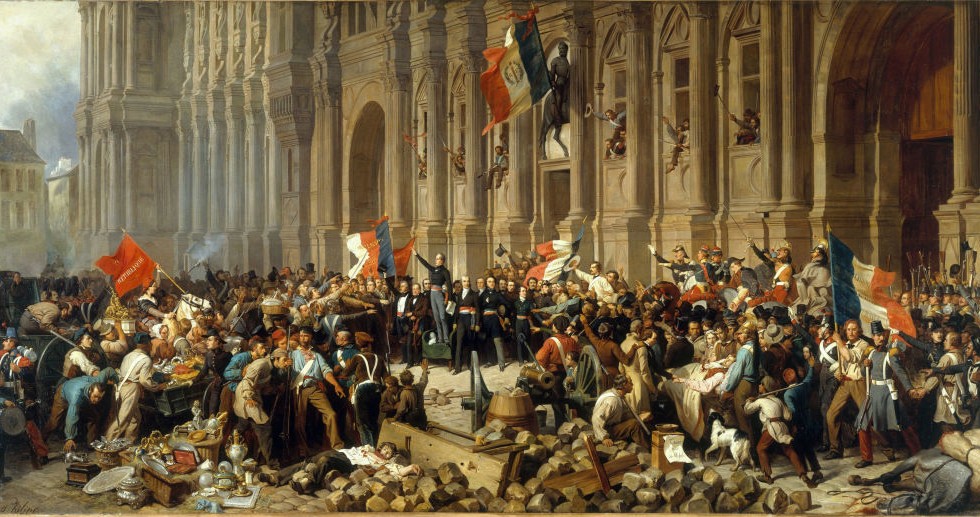
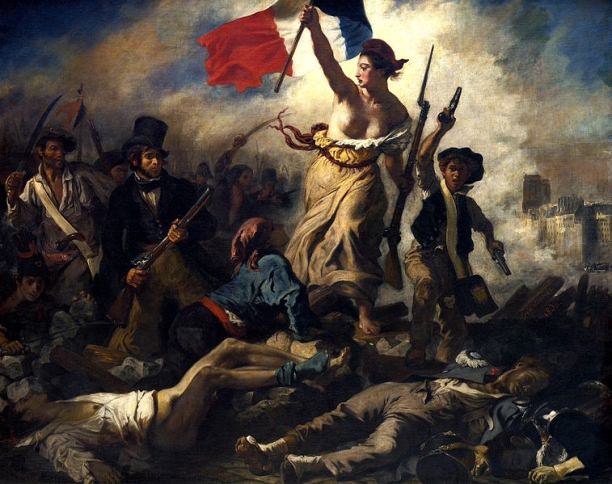
Comparative Pattern Summary: Why Each Outcome Happens Instead of the Others
I think understanding why one pathway emerges rather than another requires examining what options were available to working-class actors and what responses elites chose. I feel strongly that violent redistribution occurs specifically when institutional closure is so complete that working-class actors have no legal, electoral, or organizational pathways available, and I have observed this pattern repeated in Russia where unions were prohibited, in pre-1848 France where voting was denied to 99% percent of the population, and in Latin America where military coups explicitly foreclosed democratic pathways. I believe violent redistribution becomes the outcome not because workers prefer it but because all alternatives have been systematically destroyed by elite choice, which I think is a critical distinction that some analysts miss when they describe revolutions as expressions of radical working-class ideology rather than as responses to institutional foreclosure.
Political realignment emerges specifically when democracies exist formally and elections remain available as mechanisms for expressing discontent, yet existing institutions prove incapable of delivering economic relief or responding to working-class demands. This pathway involves voters using democratic mechanisms against existing democratic institutions, which creates a paradox wherein democracy’s formal procedures are used to de-legitimize democracy itself. I think what distinguishes post-2008 political realignment from the New Deal response was not the severity of the crisis as both destroyed working-class wealth and undermined confidence in existing institutions, but rather the political choice made by elites, as Roosevelt chose institutional restructuring while post-2008 policymakers chose austerity and institutional preservation, thereby pushing voters toward political realignment as their only available outlet within democratic systems. I believe institutional restructuring occurs precisely when elites recognize that the cost of suppressing labor militancy exceeds the cost of reform, combined with the existence of political factions willing to implement such reform. I think what made the Scandinavian outcome different from the Weimar outcome was not the depth of economic crisis but the political calculation made by different elite factions regarding what prices they were willing to pay for system preservation, and I am convinced that when elites believe they can suppress working-class pressure through force or that they can preserve their wealth through institutional preservation without reform, they typically choose those paths instead of restructuring. I have observed that institutional restructuring becomes the outcome only when working-class power has become sufficiently organized and threatening that elites perceive reform as less costly than the alternatives, which I think suggests that the working class’s own organizational capacity and militancy is often the decisive factor determining whether peaceful reform occurs rather than violent rupture or authoritarian political realignment.
Manifestation of Working Class Collapse - Examples
Now that I have outlined the conceptual pathways through which working-class collapse produces systemic rupture, I think it is essential to ground this theory in actual historical evidence. What I want to demonstrate through the following examples is that the same economic conditions, where the working-class collapse, institutional failure, and elite miscalculation, can produce radically different outcomes depending on timing, geography, and the specific institutional choices made by elites and working-class actors. Let me walk you through moments when each pathway actually manifested, beginning with the violent ruptures that emerged when all doors closed.
Violent Redistribution: Historical Examples
The first modern eruption of this dynamic that I want to examine occurred in France during 1848, when rapid urbanization displaced rural populations into cities where they confronted food shortages and economic depression of the 1840s. Urban workers spent roughly half their income on bread and potatoes, which had become scarce, and by 1848 only one percent of the French population held voting rights while Louis Philippe refused demands for electoral reform. I believe what followed was the February Revolution with food riots among the urban poor and evolved into broader civil unrest that ultimately resulted in roughly three hundred rebel deaths during the June Days Uprising and introduced universal male suffrage, representing a violent redistribution of political power if not economic wealth. I found that the revolution then spread across Europe through Germany, Austria, and Italy, where similar combinations of economic desperation and political exclusion produced uprisings, though conservative forces ultimately suppressed most movements and forced liberal reformers into exile.
Sixty-nine years later, Russia experienced a more complete violent rupture when Moscow’s wealthiest one percent earned 45.9% of total income while maintaining a Gini coefficient of 0.75, indicating extreme inequality. Workers demanded an eight-hour day, safer working conditions, and improved wages, yet Russia had completely prohibited trade unions, unlike other European countries where union concessions had staved off revolutionary pressure. I guess that is when World War I created severe economic upheaval including bread shortages and currency devaluation through the summer of 1917, the system collapsed into violent revolution. In February 1917, women protesting food shortages sparked the initial uprising, mirroring the French revolution’s trigger nearly seventy years earlier, and by October 1917 the Bolsheviks seized power through armed insurrection. I feel the outcome constituted the most direct violent wealth redistribution of the era, as wages in the 1920s roughly doubled compared to pre-revolution levels, fundamentally restructuring the income distribution through force rather than institutional negotiation.
Exhibit•The Russian Revolution - 1917(4 items)▼
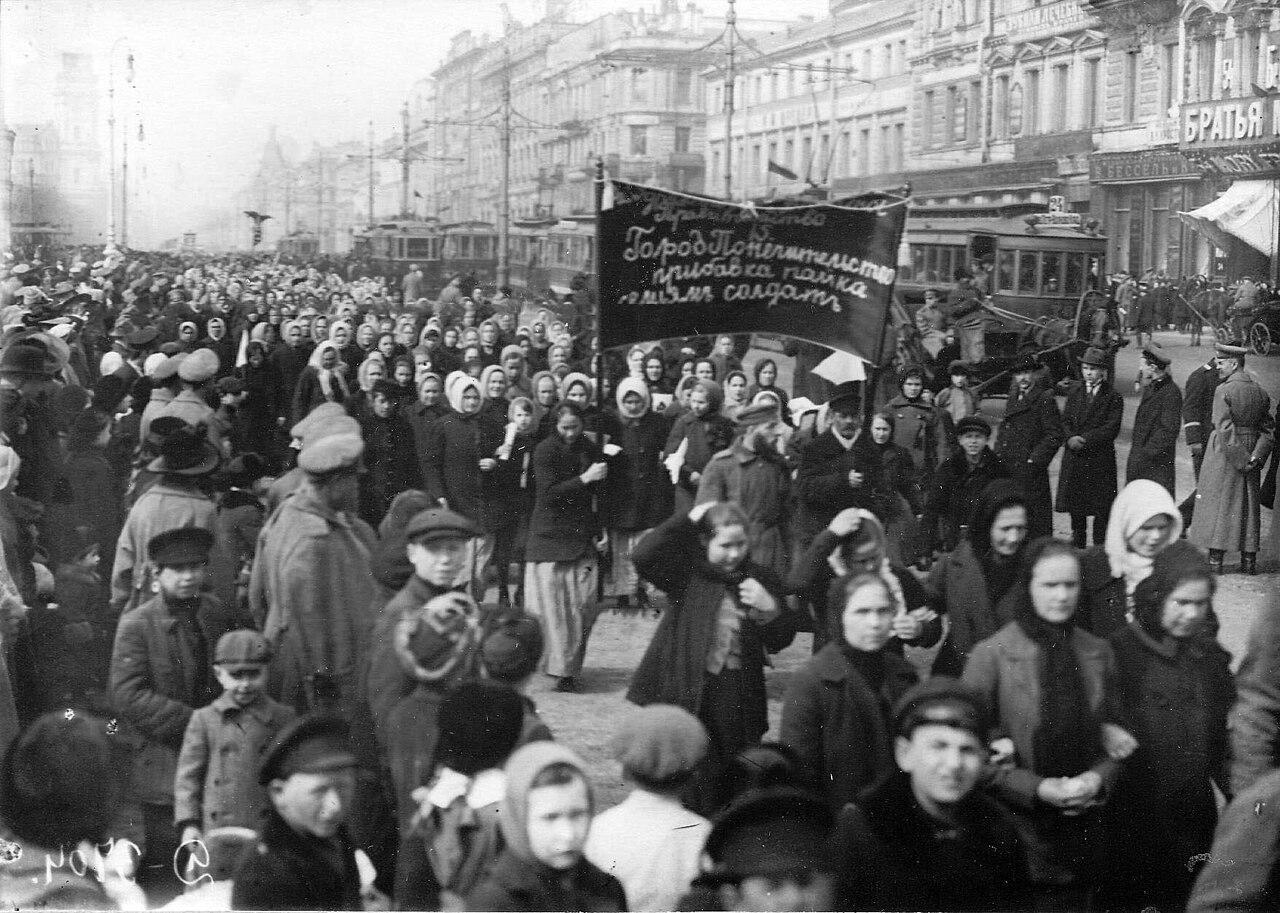
[1/4]Female textile workers marching in Petrograd (now St. Petersburg) on International Women's Day, 1917
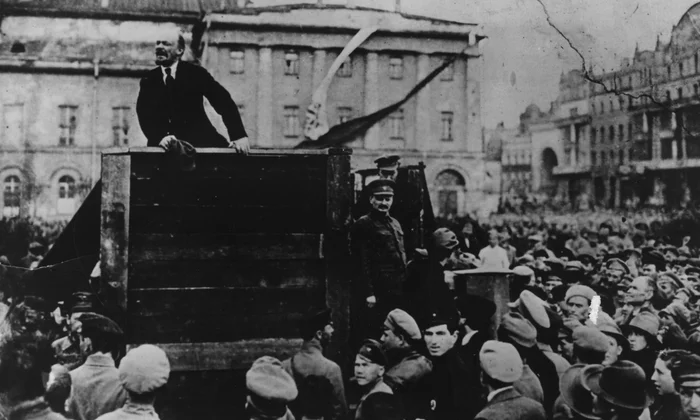
[2/4]Vladimir Lenin's speech - Sverdlov Square (now Theatre Square) in Moscow, 1920
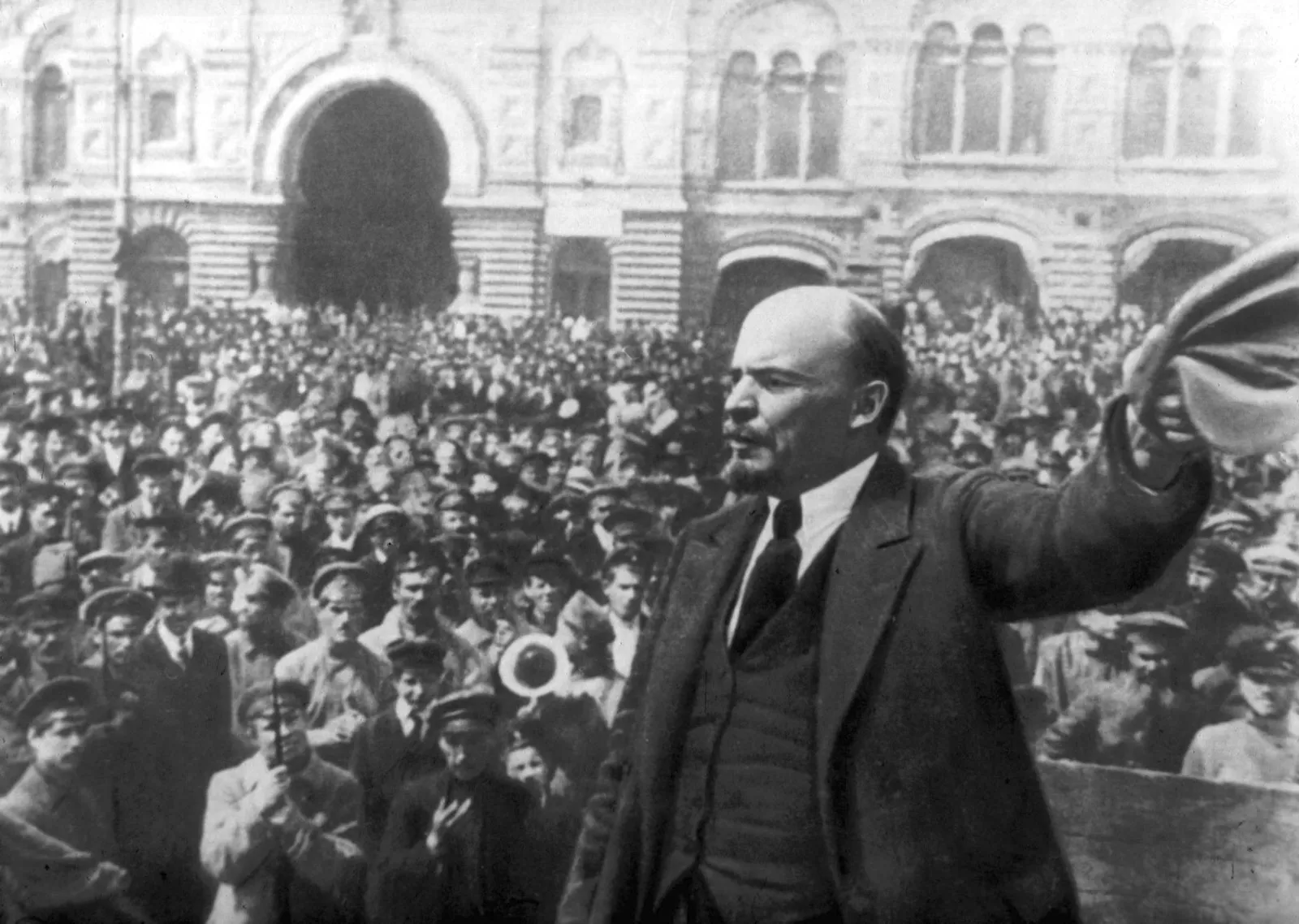
[3/4]Vladimir Lenin's speech - Sverdlov Square (now Theatre Square) in Moscow, 1920
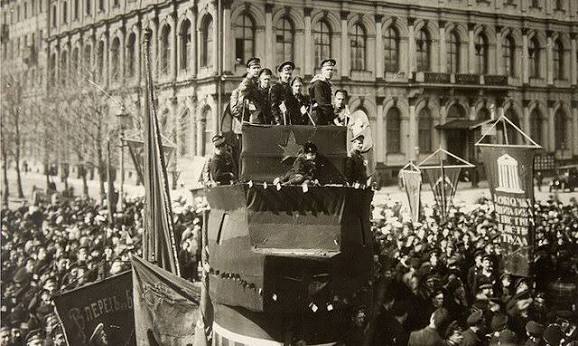
[4/4]Demonstration in Petrograd (now St. Petersburg), 1917
Latin America witnessed violent rupture in the 1960s and 1970s when working-class organizing reached unprecedented levels. By early 1970s, most major Latin American economies confronted widespread working-class revolt and demands for significant social and institutional reforms, as organized worker ranks grew from 4.5 million in 1945 to 6-7 million by 1960-1970. Rather than granting concessions, domestic elites and middle classes rejected a highly mobilized working class and supported military coups throughout the 1960s and 1970s. I think the response produced civil wars and revolutionary movements as workers had no institutional pathway for reform. For example, in Nicaragua, agricultural workers joined the Sandinista revolutionary movement that ultimately toppled the Somoza dictatorship in 1979, and Bolivia developed the highest density of militant social movements in Latin America, including mine and factory worker uprisings. I am of the opinion that the outcome was violent but resulted in state capture by revolutionary movements that, while implementing redistributive policies, often produced new forms of authoritarianism.
Political Realignment: Historical Examples
I believe the political realignment pathway emerged when institutional concessions were insufficient or withheld but democratic mechanisms remained available. In Weimar Germany, when the 1929 Wall Street Crash devastated an economy dependent on American loans, wages fell thirty-nine percent between 1929 and 1932 while unemployment reached one-third of the working-age population.
Exhibit•Political Realignment in Weimar Germany(5 items)▼
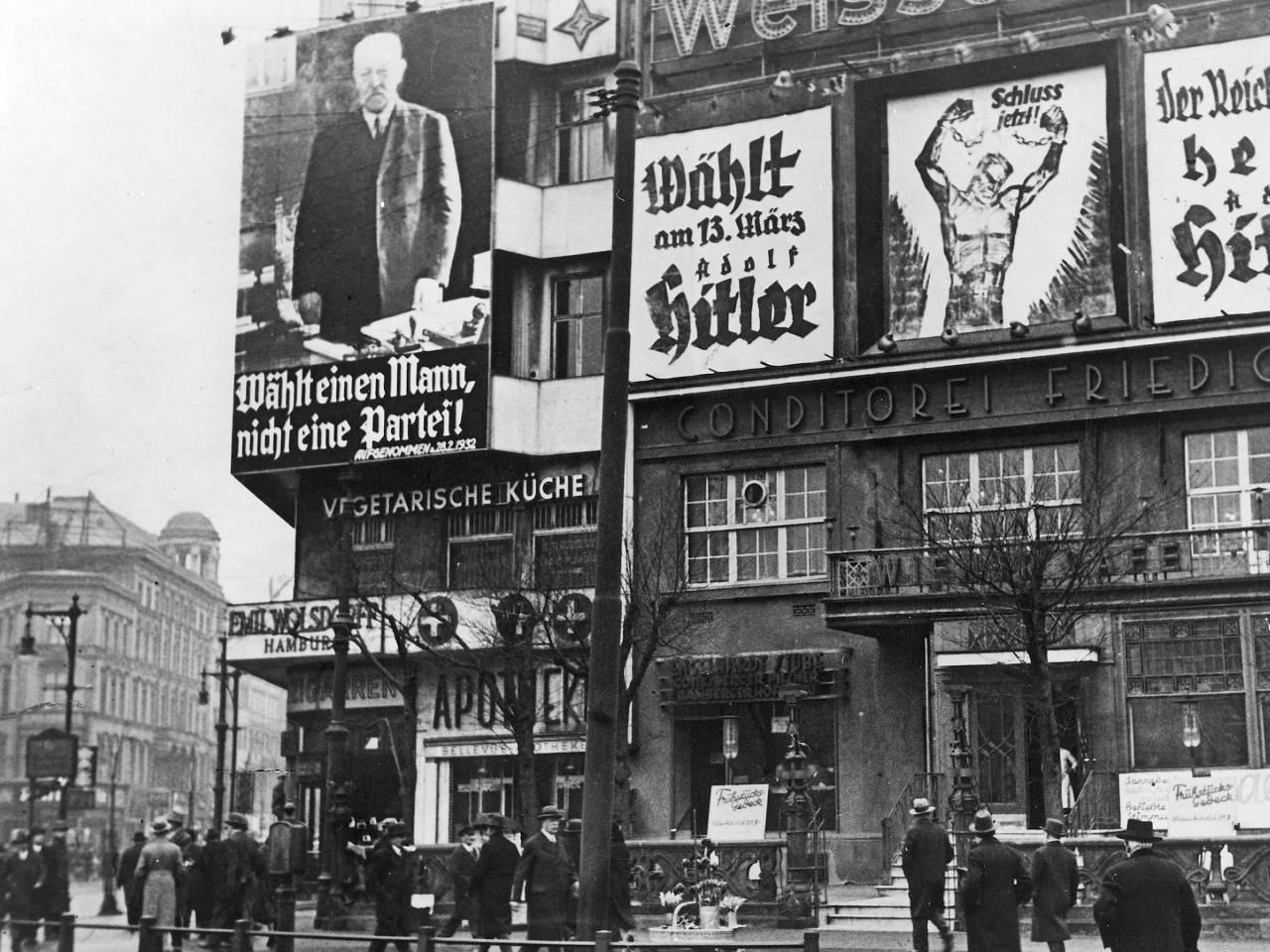
[1/5]Campaign posters - Presidential election of 1932 in Berlin, Germany
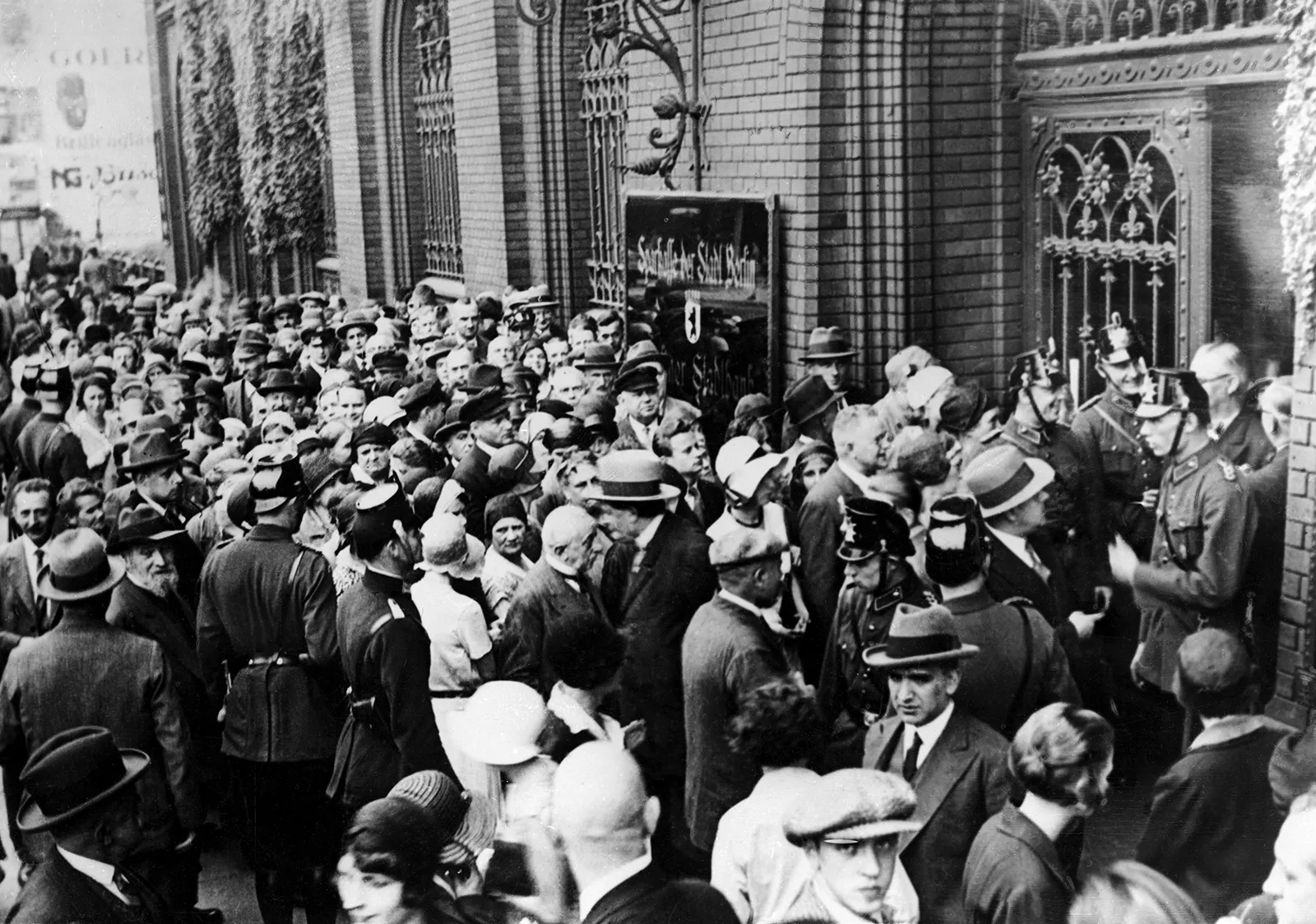
[2/5]Panicked depositors outside the Sparkasse der Stadt Berlin (Berlin Savings Bank) on Mühlendamm street, 1931
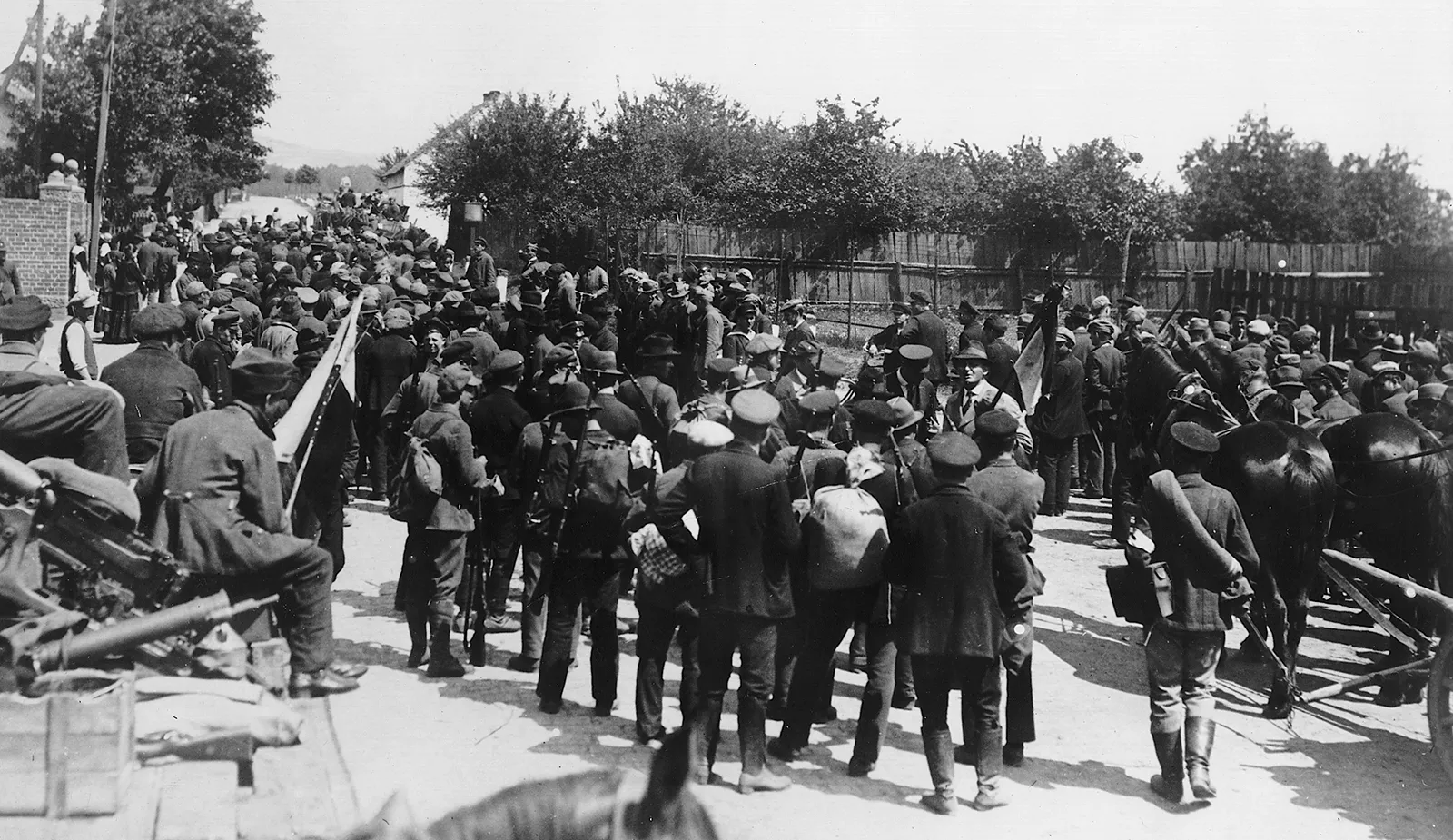
[3/5]Armed workers gathered during the Märzkämpfe (March Action) in 1921.
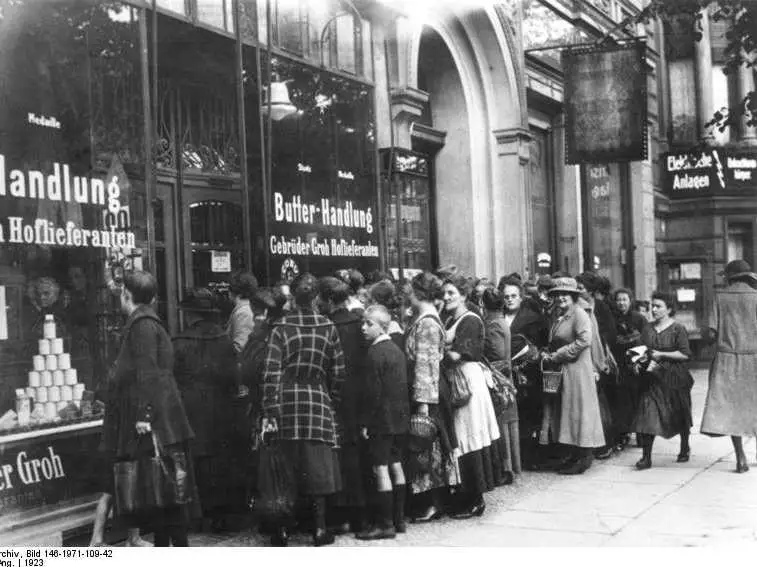
[4/5]Queue of people waiting outside a butter shop owned by Gebrüder Groh in Berlin during the severe Weimar Republic hyperinflation
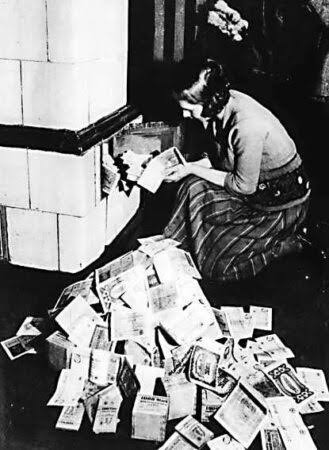
[5/5]Burning currency notes for heat during the hyperinflation time
Export-dependent Germany experienced a 67% decline in exports between 1928 and 1932, equivalent to an 8% drop in GDP, creating desperation particularly among shopkeepers, artisans, civil servants, and agricultural workers whose income collapsed alongside industrial production. Rather than supporting the democratic center, middle-class and working-class voters swung toward extremes as support for diverse political formations collapsed between 1928 and 1932, and by 1933 President Hindenburg appointed Adolf Hitler as Chancellor with Nazi support.
I am convinced that this outcome represented political realignment rather than violent revolution because it operated through democratic institutions, yet it fundamentally destabilized the democratic order itself, which is precisely why I find this case so instructive for contemporary policymakers.
The contemporary period since 2008 demonstrates, I believe, that these pathways remain operative in modern democracies. When the 2008 financial crisis destroyed middle and working-class wealth while the top one percent captured ninety-five percent of all income gains between 2009 and 2011, and when inflation-adjusted median wages did not recover their 2007 level until 2014, leaving more than half of workers experiencing seven years of stagnation, political realignment accelerated globally. We all know Trump rode a wave of white working-class anger to the Republican nomination and presidency, appealing to those who felt betrayed by political elites, and Brexit voters were older, white, less educated, and concentrated in deindustrialized regions that had never recovered from 2008, while nativist populism spread across Europe with Marine Le Pen reaching France’s presidential runoff. I feel strongly that unlike the 1930s-1940s when institutional restructuring followed political crisis, the 2010s-2020s produced political realignment without corresponding institutional reform, creating lasting democratic fragility. And the post-pandemic period saw unprecedented labor militancy with the Great Resignation, unionization surges in the United States, and strike activity reaching levels unseen since the 1970s, suggesting that working-class pressure for institutional change is again accumulating within democratic societies.
Institutional Restructuring: Historical Examples
And if you ask me, restructuring emerged most clearly in the United States during the Great Depression, when economic collapse created potential for violent upheaval yet institutional concessions prevented revolution. Roosevelt’s administration, facing half a million workers who struck in 1934 and an emboldened labor movement demanding radical systemic change, implemented comprehensive institutional restructuring rather than repression.
Exhibit•The Great Depression of 1929(4 items)▼
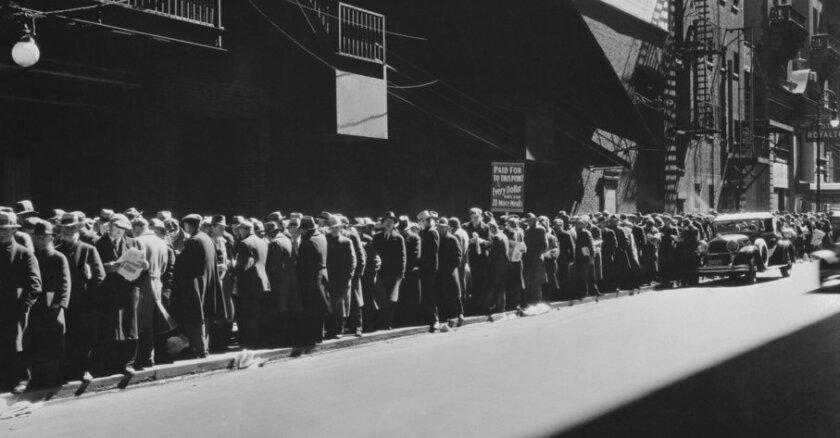
[1/4]The Great Breadline during 1929 Depression
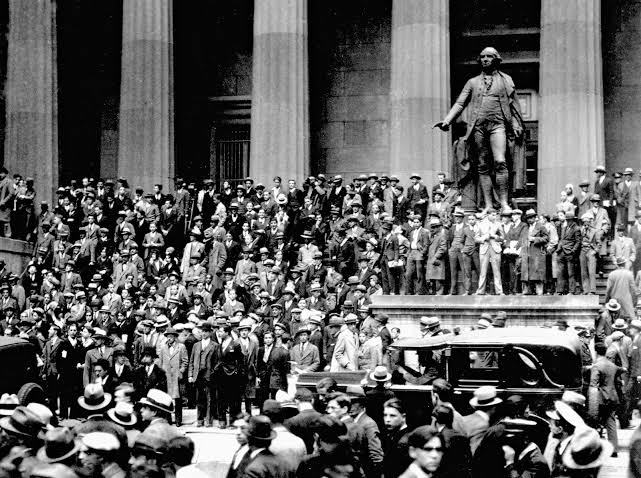
[2/4]Demonstration outside Federal Hall National Memorial (historically U.S. Sub-Treasury Building) across New York Stock Exchange on Black Thursday, October 24, 1929
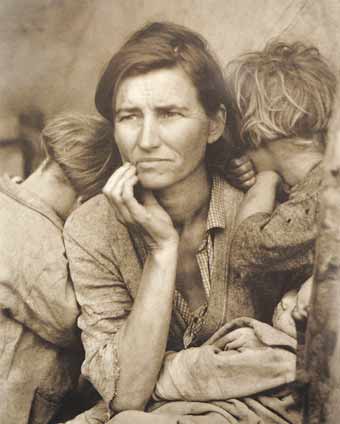
[3/4]Migrant Mother, captured in March 1936 in California, by photographer Dorothea Lange.
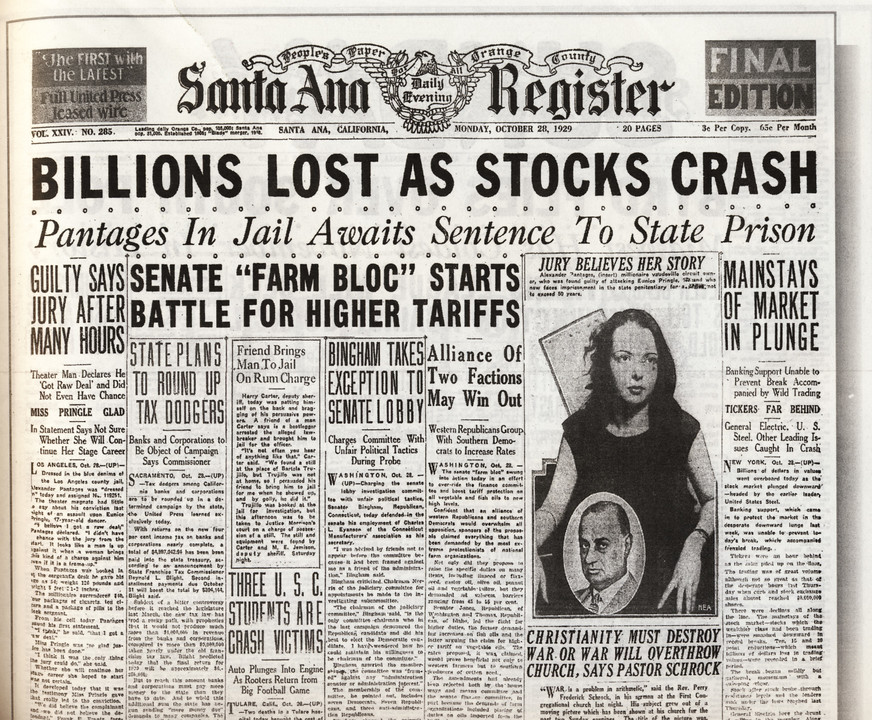
[4/4]Santa Ana Register from October 28, 1929, reporting the historic Wall Street stock market crash
The National Labor Relations Act of 1935 established the NLRB and gave workers the right to unionize and engage in collective bargaining, while the Fair Labor Standards Act of 1938 established minimum wage, maximum work week, and abolished child labor.
One can observe that American trade unions tripled their membership during the 1930s, and the system survived intact because institutions were created through which working-class pressure could be channeled into non-revolutionary reform.
I think what is particularly noteworthy is that Scandinavian democracies pursued this pathway even more comprehensively when social democratic parties came to power during the 1930s in Sweden, Norway, and Denmark, introducing lasting institutional reforms.
In 1935, Norway formalized the first Collective Basic Agreement between the Norwegian Confederation of Trade Unions and the Norwegian Employers’ Association, laying the foundation for comprehensive welfare provisions, and Sweden’s Rehn-Meidner model created centralized collective bargaining where employers conceded to labor’s demands in exchange for wage restraint and labor peace. Sweden and Norway achieved some of the lowest levels of income inequality in the world through redistributive policies and union power that reached 85% unionization rates, and both nations avoided both revolution and fascism that consumed neighboring societies.
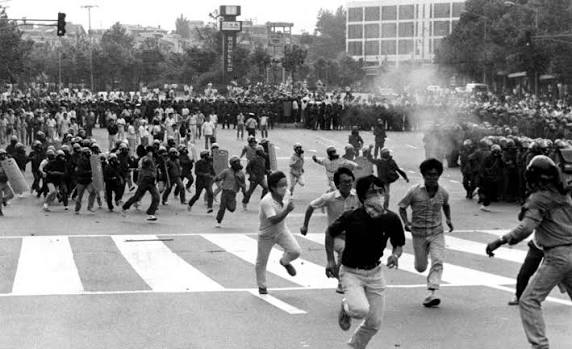
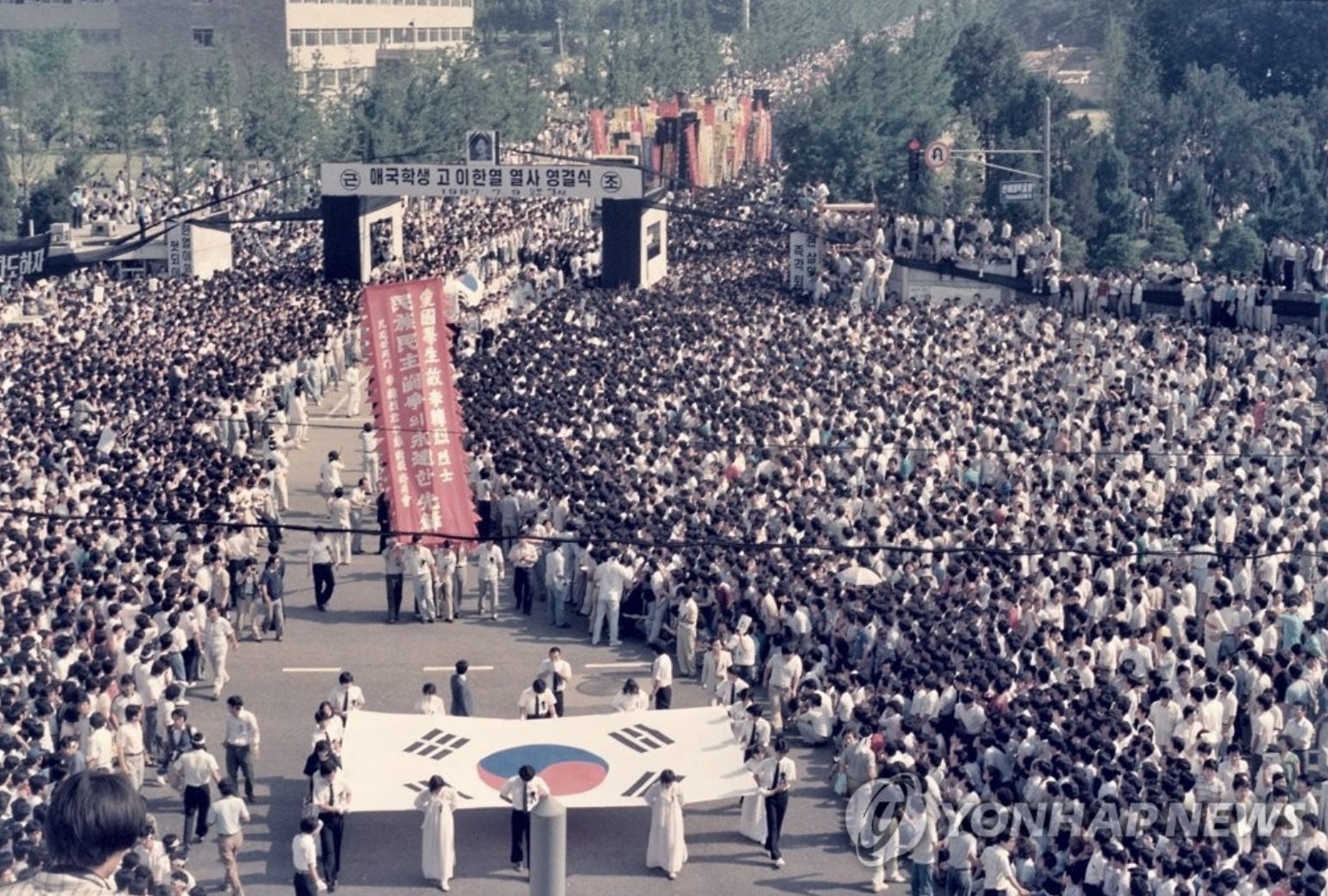
I find that East Asia’s developmental states adopted the institutional restructuring pathway once labor militancy became impossible to suppress. South Korea’s labor movement waged militant strikes against injustice during the 1970s and 1980s under authoritarian military rule, and democratization movements of the 1980s coincided with demands for both political democracy and economic democracy.
South Korea abolished the Martial Law Decree in 1987 and introduced new labor protections through revision of labor law in 1984, connecting rural-urban labor markets for the first time. I believe that in the late 1980s, collective labor actions expanded, resulting in partial workplace democratization, democratization of company unions, and elimination of discrimination against production workers. Taiwan followed a similar trajectory, I think, when the labor movement emerged only after martial law ended in the 1980s because previous state controls had prevented independent organization, yet as social movements grew, the government promulgated the Labor Standard Act in 1984 and later attempted to establish a forty-four-hour work week limit.
Exhibit•June Democratic Struggle, South Korea, 1987(5 items)▼
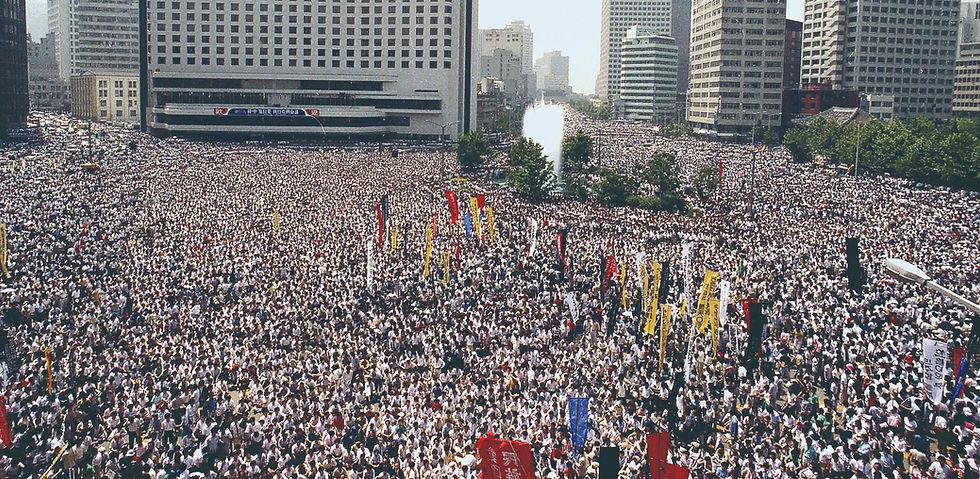
[1/5]Seoul Plaza (in front of Seoul City Hall) on July 9, 1987
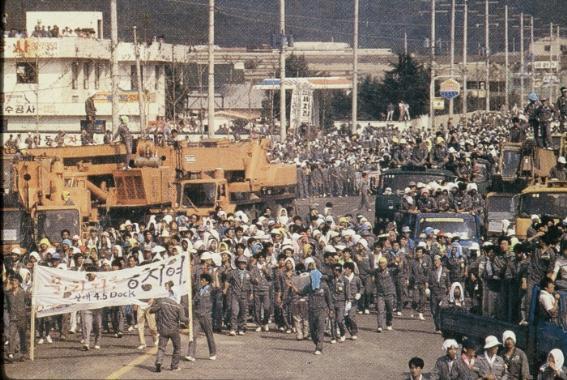
[2/5]Hyundai workers and laborers occupying shipyards in South Korea - Great Workers' Struggle on August 17, 1987
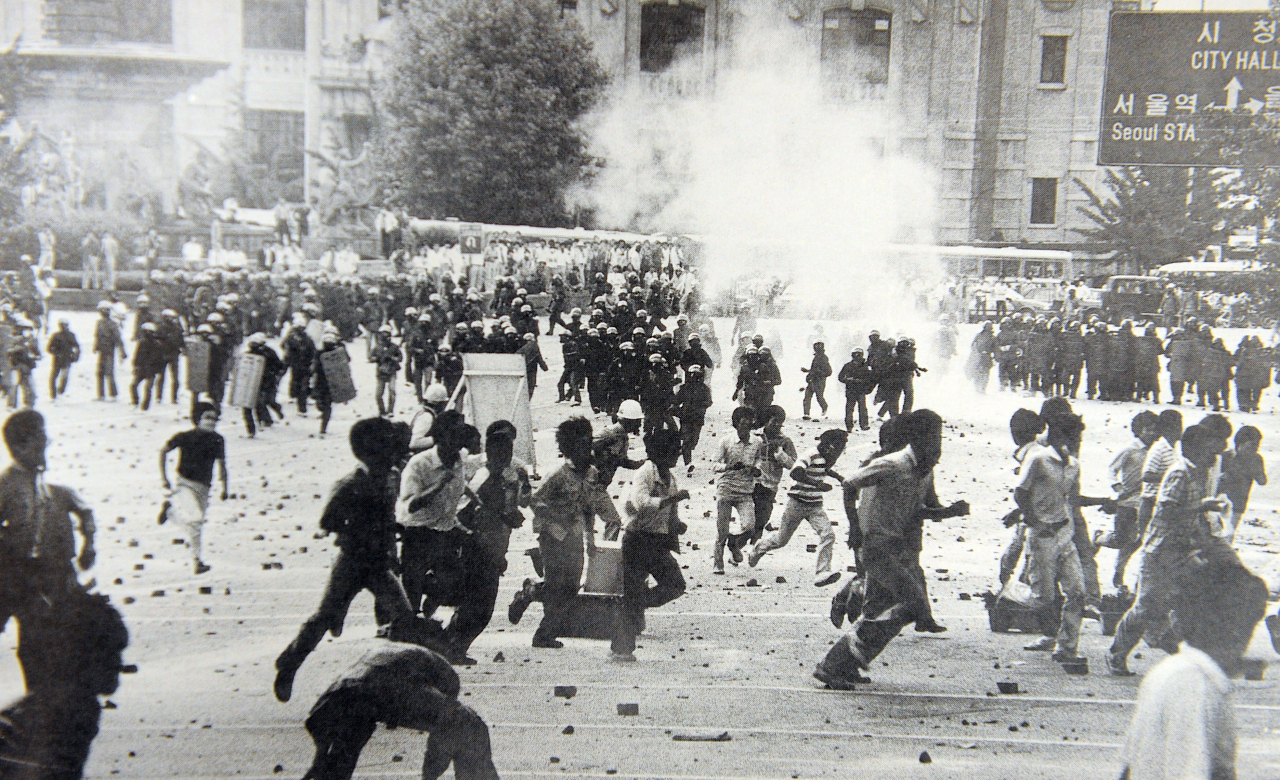
[3/5]Tear Gas - June Democratic Struggle (June Uprising) in Seoul, South Korea, in June 1987
[4/5]Tear Gas - June Democratic Struggle (June Uprising) in Seoul, South Korea, in June 1987
[5/5]Funeral procession (Lee Han-Yeol) on July 9, 1987, Yonsei University in Seoul, South Korea
Summary - Systemic Rupture
| Rupture Type | Primary Trigger | Examples | Time Period | Major Outcome |
|---|---|---|---|---|
| Violent Redistribution | Extreme inequality + institutional closure to labor organizing | France 1848; Russia 1917; Latin America 1960s-70s (Nicaragua, Bolivia, Guatemala/El Salvador) | 1848-1979 | Political rights gained; wealth redistributed by force; new institutions established; property relations fundamentally altered; often produces new authoritarianism |
| Political Realignment | Economic crisis without institutional reform in functioning democracies | Weimar Germany 1928-33; Post-2008 (Trump, Brexit, European populism) | 1928-1933, 2008-2026 | Democratic norms eroded; establishment parties lose legitimacy; extreme parties mainstream; political polarization intensifies; institutional capacity for reform degrades |
| Institutional Restructuring | Labor militancy too strong to suppress + elite willingness to negotiate | US New Deal 1933-39; Scandinavia 1930s-70s; East Asia 1980s (South Korea, Taiwan) | 1933-1990s | Labor gains institutional power; welfare states established; unionization 50-85%; inequality declines; systems survive through reform without violent rupture |
The connection between these ruptures and Maslow’s hierarchy becomes clear, I believe, when considering that rupture occurs not simply when basic needs are unmet but when their unmet status coexists with the knowledge that others possess abundance and when existing institutions offer no pathway for reform. Imagine, a worker may tolerate temporary hardship if he/she believes conditions will improve or if they can participate in decisions affecting their fate, yet they will not tolerate indefinite hardship while watching others capture gains and while institutions remain closed to their voice. This is why I am convinced that institutional restructuring succeeds where repression and denial fail as it addresses not merely material deprivation but the psychological requirement for agency and voice in determining one’s condition. I think that when basic needs collapse and institutions remain closed, the working class seeks to establish new institutions that respond to their demands, whether through revolutionary capture of state power, through electoral realignment that brings new political forces to prominence, or through negotiated restructuring that grants concessions before violence becomes inevitable.
I find that the contemporary moment resembles the 1920s more than most analysts I have read seem to recognize. Working-class incomes in developed economies have stagnated for 50 years while asset ownership and educational premiums have exploded, creating the perception of unbridled unfairness that precedes rupture. I think political institutions remain formally democratic yet increasingly unresponsive to working-class demands, as demonstrated by austerity policies pursued across democracies despite electoral opposition and by trade policies that sacrificed manufacturing communities to global capital flows. I am of the opinion that the labor movement, though reviving in some jurisdictions, lacks the institutional power it possessed in the 1930s-1970s because union density has collapsed and labor law has been systematically weakened. I am convinced that under these conditions, history suggests that rupture becomes probable within the next 10-15 years, and I believe the form it takes will depend entirely on whether institutions develop mechanisms through which working-class pressure can achieve reform. If institutions remain closed, I fear political realignment will intensify and eventually produce either violent rupture or authoritarian stabilization. If institutions open to include labor in governance and redistribute power alongside wealth, I am hopeful the system survives as it did after 1933 and in Scandinavia after 1935, though I acknowledge this outcome appears increasingly unlikely without significant political will from policymakers.
At the end, I am hoping someone has had the courage and the patience to read through the entire article because what I will say next, has no easy way of expressing with anger taking over.
I think what happened post-2008 was that when traditional parties refused institutional restructuring (austerity instead), working-class voters used their remaining democratic tool, i.e., the ballot, to try political realignment (Trump, Brexit, populism) and this was their attempt to force change through democracy.
But what interesting is that those political realignments largely haven’t delivered institutional restructuring. Trump didn’t redistribute wealth, Brexit created more chaos without helping workers, European populists either compromised or proved ineffective. So working-class actors are discovering that even their “last democratic option” has been exhausted. If political realignment also fails to open institutional doors, I believe you’ve systematically closed every available channel. Working-class actors will have tried: Traditional institutions (failed) Strikes/organizing (weakened by union decline) Political realignment (also failed to deliver) At that point, I’m certain that violent redistribution becomes the only remaining option because all institutional pathways have been tested and found wanting. I think we’re potentially in this sequence right now. Political realignment happened 2016-2020, but we’re now in 2026 with rising labor militancy (Great Resignation, strikes) precisely because the political realignment didn’t deliver. If the next 3-5 years show continued stagnation despite political changes, I believe we enter dangerous territory. This is actually more precarious than a single crisis because it represents the sequential exhaustion of all available channels, which I fear makes it the path most likely to produce violent rupture in modern democracies.