

Screwed but Soldered as well
Apple finally gets the memo on repairability.

I used to own a Dell Latitude E5450 and had it with me for over a decade. I bought it used, from a MicroCenter in Dallas and I was very fond of that model because this particular model was not something that was available to general public. It was never available in India, or at least not outside the enterprise corporate circles.
I spent a lot of time doing incremental upgrades and DIY repairs, including RAM and storage to keyboard replacements (I had too many coffee mishaps). I had to finally scrap it for parts, and tinkering with it a sense of satisfaction that I cannot get in any electronic modern equipment.
Exhibit•Dell E5450(3 items)▼
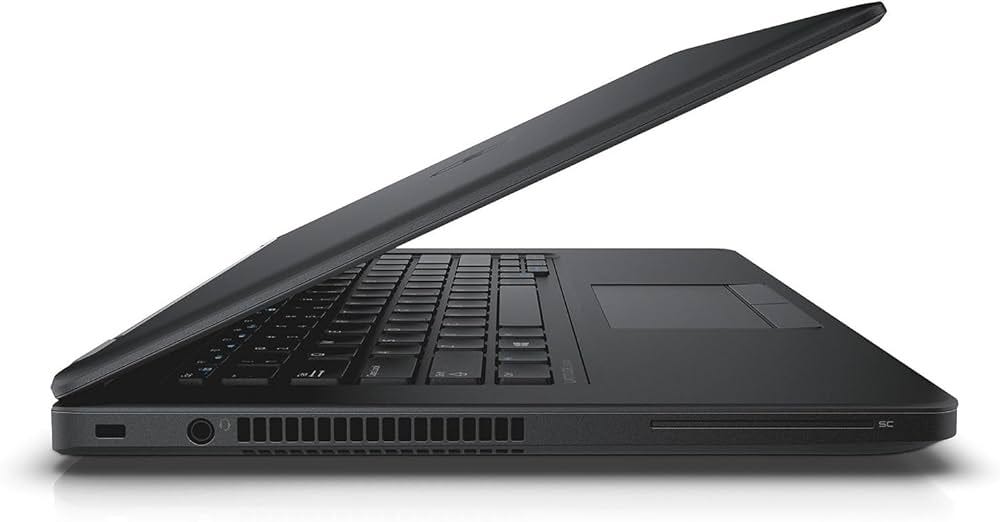
[1/3]One of my workhorses that never refused to die. I self-taught micro-services, machine learning and AI on this machine.

[2/3]One of my workhorses that never refused to die. I self-taught micro-services, machine learning and AI on this machine.
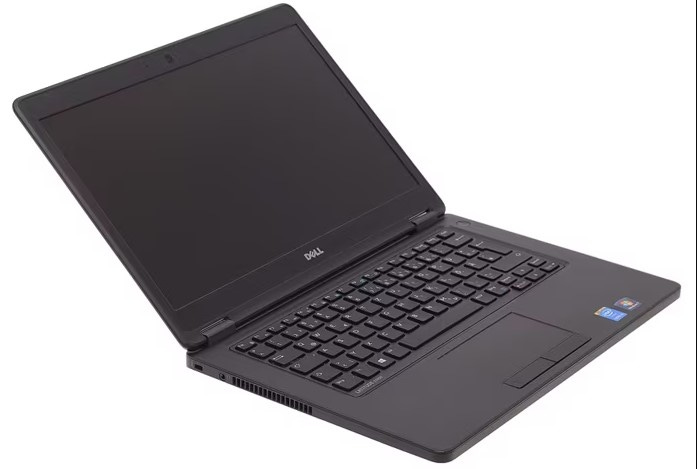
[3/3]One of my workhorses that never refused to die. I self-taught micro-services, machine learning and AI on this machine.
Dell had a good marketing team at its behest and they ran a good segmentation of the markets they served.
| Brand | Market Segment & Dynamics |
|---|---|
| Inspiron | Everyday consumers - budget line |
| Vostro | Small Businesses with sufficient backup |
| XPS | Premium creative crowd but consumer grade |
| Latitude | Enterprise workhorse |
| Table 1: Dell Market Segmentation |
Dell Latitude was the enterprise workhorse designed to be maintained and upgraded over long deployment cycles. It boasted of accessible RAM, storage that could be swapped or upgraded and straightforward battery replacements. They believed that what you buy, is yours to manage and extend as your needs evolve, and the enterprise IT world rewarded Dell handsomely for it.
Then came the world’s obsession with thinness and sealed aesthetics that took over the industry in the 2010s and Apple massively profited off this time.
Macbook Neo - What Changed
Up until 2012 MacBooks were built with upgradable RAM, replaceable storage and one could handle minor repairs themselves. However, from 2015 onward, Apple started releasing products that were soldered, glued, and proprietary-screwing devices that made it almost impossible to repair without going through Apple’s own service network. So think of my surprise, when I noticed iFixit’s teardown of the MacBook Neo wherein it received a repairability score of 6 out of 10, which is a standing ovation for Apple Devices and represents the most repairable Apple laptop in last 15+ years.
The battery is usually the first to go due kaput to heavy use and is usually glued or adhesive-stripped into place. However, with Neo, the battery now sits on a removable tray held down by eighteen standard screws. The USB-C ports are modular, meaning a damaged port no longer requires logic board surgery. Apple has published repair manuals and resolved the parts pairing issue for OEM components through its own Repair Assistant tool.
Exhibit•MacBook Neo(4 items)▼

[1/4]The new line of affordable and repairable laptops. Well almost!
[2/4]The new line of affordable and repairable laptops. Well almost!
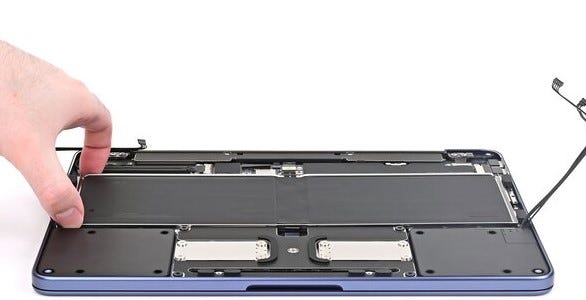
[3/4]The new line of affordable and repairable laptops. Well almost!
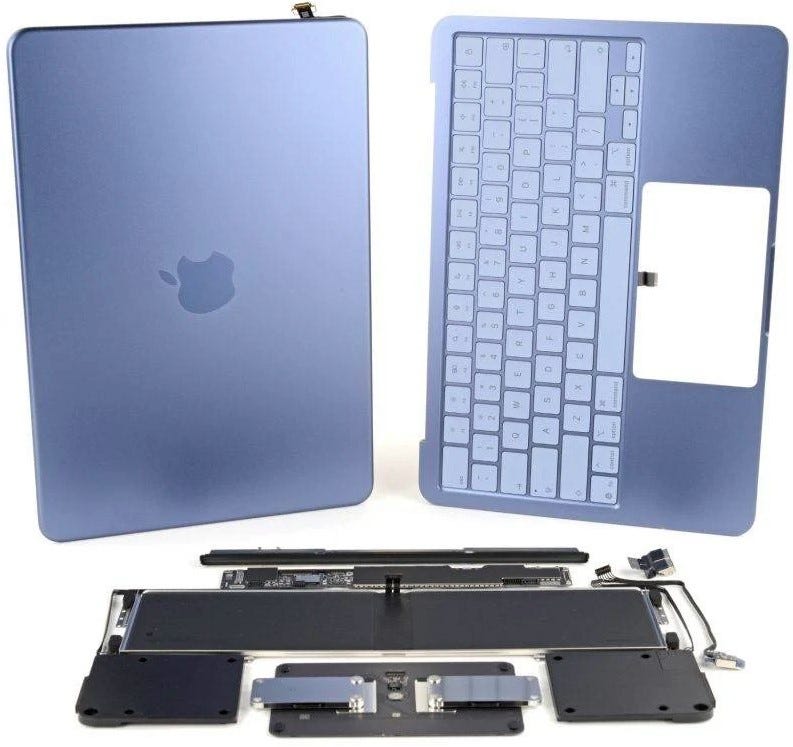
[4/4]The new line of affordable and repairable laptops. Well almost!
Having said that, the RAM unfortunately, is soldered at 8GB with no upgrade path while storage is fixed at either 256GB or 512GB depending on the model you buy and the keyboard replacement still requires removing 41 screws and peeling adhesive tape (I am not complaining). The Neo is more repairable, but it is not upgradeable; screwed but soldered as well!
The Framework Conversation Nobody Is Having Loudly Enough
Hope is always around the corner and when I learnt of a small company called Framework, now coming into limelight by building the laptop with socketed and upgradeable RAM, standard replaceable storage, a swappable motherboard, and modular port expansion cards that you physically slot in depending on what you need. iFixit gives Framework laptops a perfect 10 out of 10, and the company has built a genuine community of users who treat their devices the way I treated my old Latitude.
Exhibit•Framework Laptops(4 items)▼
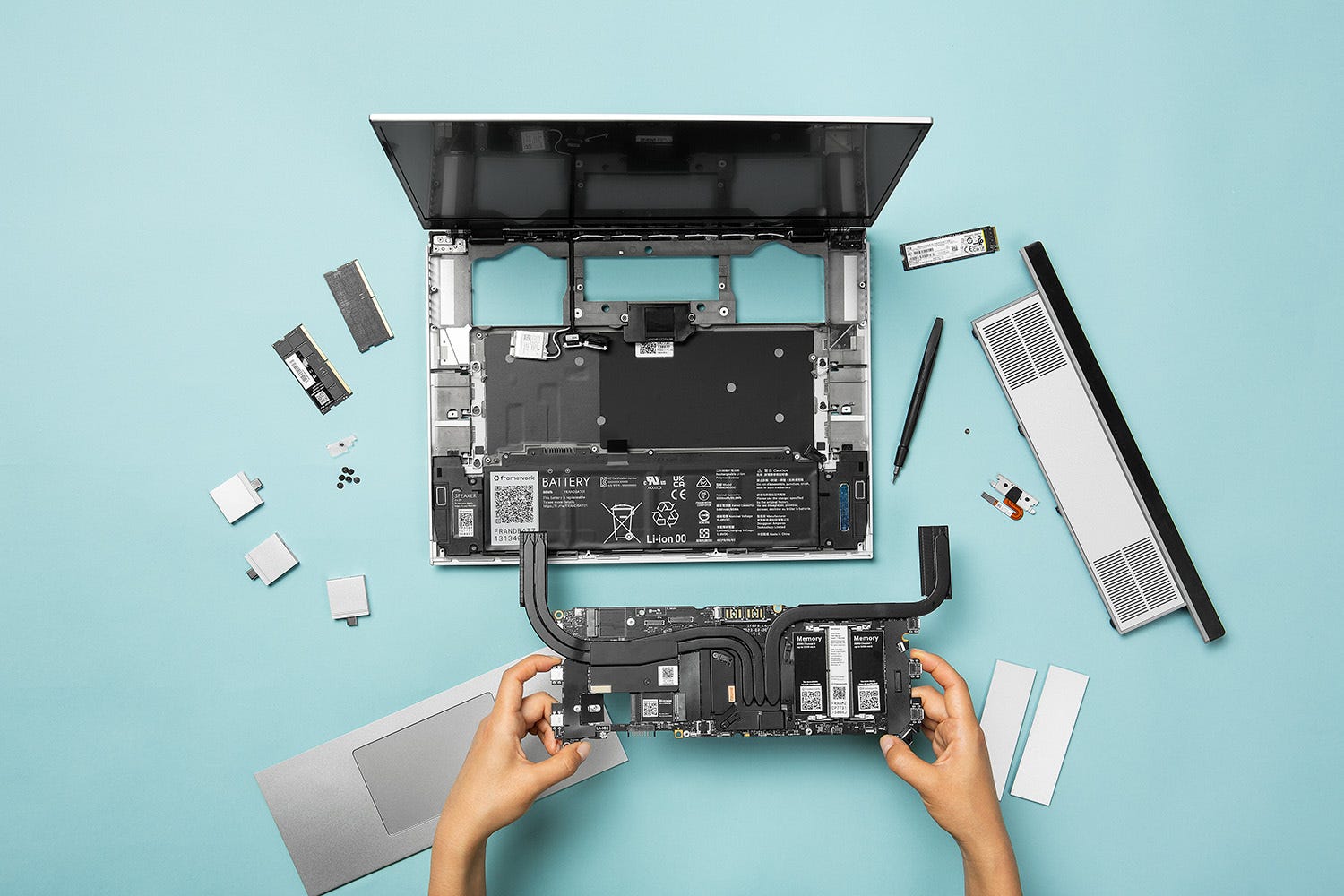
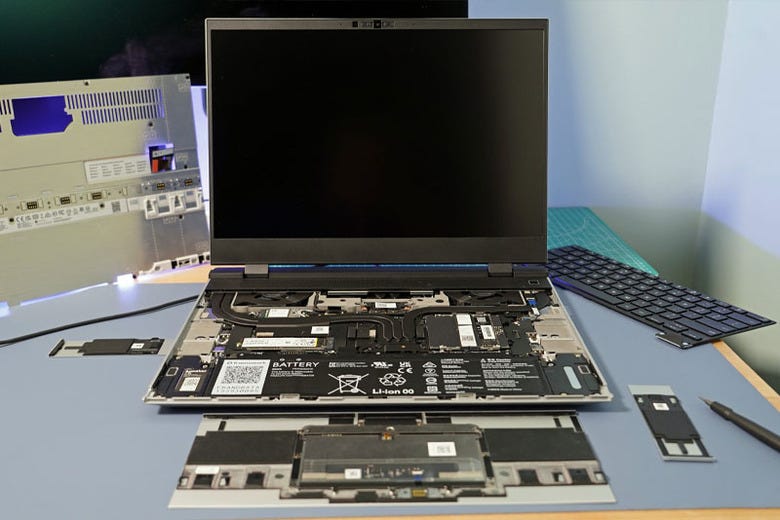


Framework laptops, however, are not cheap, with entry-level configurations starting well above what most mainstream consumers are willing to spend, meaning the addressable market remains limited to high-end enthusiasts who are already converted to the cause.
This is precisely why the MacBook Neo matters beyond its own specifications. When a market leader with the brand weight and ecosystem lock-in of Apple ships a mainstream product at $599 with a meaningful repairability story, it signals to the broader industry that repairability is no longer a niche selling point, and it puts direct pressure on Framework and others to compete harder on price and accessibility rather than resting on the moral high ground of being the only serious option in the space.
The Soldered Storage Problem and What It Costs the Planet
There is a part of this story that rarely gets told loudly enough. When RAM and storage are soldered onto a logic board and a device reaches end of life, data security protocols require that the storage be physically destroyed before disposal, which in practice means repair shops drill holes through the board, rendering the most resource-intensive component unrecyclable. The repair shop reviewer who tore down the Neo flagged this directly: soldered storage does not just limit upgrade options, it converts what could have been a recyclable component into straightforward e-waste the moment the device is retired.
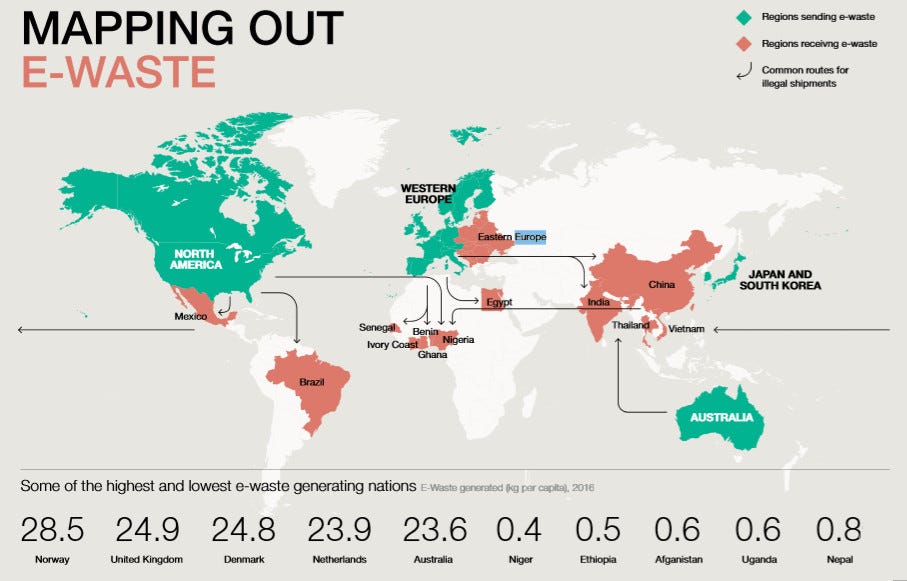
The Global E-waste Monitor 2024 projects that the global recycling rate will fall from 22.3% in 2022 to 20% by 2030, and manufacturing a single tonne of laptops can emit up to 10 tonnes of CO2, with most of that footprint locked in during production before the device ever reaches a consumer.
Industry Trends
The legislative environment is shifting faster than most manufacturers anticipated. In January 2026 alone, more than 33 right-to-repair bills were introduced across 13 US states, Texas’s consumer electronics right-to-repair law takes effect in September 2026, and the EU Batteries Regulation will mandate user-replaceable batteries in portable devices by mid-2027. The NFIB reports that 89% of small business owners support right-to-repair legislation, making it a mainstream commercial concern rather than an activist one.
“If Apple can apply this design philosophy to its premium MacBooks and Mac Studios, the case for paying that premium becomes genuinely compelling because longevity and repairability start to justify the cost of entry over time”
The right to repair your device is not a radical ask. It is what ownership used to mean before the industry quietly redefined it, and a $599 MacBook with screws instead of glue is a small but genuine sign that the redefinition is being reconsidered. Let us see how far that reconsideration actually goes.
What You Can Do Right Now
If this resonates, the fight is very much alive and in need of voices, particularly in India, where [e-waste legislation](https://www.who.int/news-room/fact-sheets/detail/electronic-waste-(e-waste) remains fragmented and enforcement even more so.
- The Repair Association allows US-based readers to contact state representatives directly from their site in under a minute.
- PIRG’s Right to Repair Campaign actively tracks legislation across all 50 states with tools to get involved.
- iFixit’s Right to Repair page remains the most comprehensive resource on the movement, covering the history, the current battles, and how to participate.
For everyone else watching from this side of the world, buy repairable. Look up the repairability score of your next laptop before you pull the trigger. The market responds to what people choose, and right now, every screwed-in battery is a small vote cast in the right direction.
This post is not AI authored. I love to research and write about topics like these, which stemmed from some event in my life. If you like what I wrote, and my style, follow for more random ramblings in the future.